| Organic Seeds | Edible Plants | Organic Pest Controls | Books | Tools, Propagation & Fertilisers | Sprouting & Microgreens | Poultry Supplies | Specials & Gift Ideas |

Top

We will send an email to this address*
when is next available
* we will use this email address only for this notification and then we will delete it.
 Home
Home
Green Harvest Organic Gardening Supplies is permanently closed as of 5pm on 1-11-2023.
We will not be taking orders by this website, in person, by phone or email. Our display garden and retail shop are closed forever.
Read more...
Phone:07 54357000
Phone calls will only be responded to sporadically and only in reference to orders placed prior to 2-11-2023. All the useful growing and organic pest management research and resources are available on this website for a while still.
Autumn Green Notes © Frances Michaels
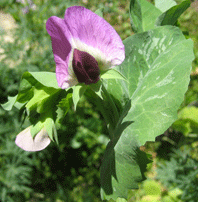 Nothing rivals the sweetness of a pea just picked from the garden. Podding peas, snowpeas and sugarsnap peas
are available as bush types and climbers; they can be planted in late summer to autumn in all but cooler areas.
Rig up a trellis or use a
Pea and Bean Net
to support your plants.
Nothing rivals the sweetness of a pea just picked from the garden. Podding peas, snowpeas and sugarsnap peas
are available as bush types and climbers; they can be planted in late summer to autumn in all but cooler areas.
Rig up a trellis or use a
Pea and Bean Net
to support your plants.
Peas dislike acidity; lime if necessary to achieve a soil pH of 6 - 7. Direct sow into a sunny position, 3 - 5 cm deep and 7.5 cm apart. Water after sowing, then to avoid seed rotting, don't water for a couple of days. Climbers include the snowpeas 'Melting Mammoth' and purple-flowered 'Yakumo'; 'Telephone' podding pea and sugarsnap 'Cascadia'. Bush types include the snowpea 'Oregon Sugar', sugarsnap 'Sugar Ann' and podding peas 'Novella' and 'Greenfeast'.
Browse our Organic Seed Shop for peas
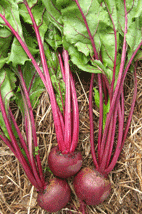 Autumn: the time is right for planting glorious beetroot. A valuable plant for its delicious, nutritious root
and brightly coloured, tasty leaves, beetroot is easy to grow and doesn't need much space in the garden.
Autumn: the time is right for planting glorious beetroot. A valuable plant for its delicious, nutritious root
and brightly coloured, tasty leaves, beetroot is easy to grow and doesn't need much space in the garden.
Growing beetroot
Beetroot 'seeds' are actually cork-like fruit containing 2 to 6 true seeds. Soak seed clusters in warm water for one to two hours then sow 12 mm deep, directly into fertile, well-worked, well-drained soil in a sunny position. Rows should be 30 cm apart; once the seedlings emerge, thin them to 10 cm apart. Avoid adding too much nitrogen as it promotes leaf growth at the expense of root development. Beetroot does well with a soil pH of 6.5 to 7.5. Supply trace elements by applying Natrakelp liquid seaweed; it will help with disease resistance too.
Harvest the roots in 55 - 70 days, depending on the variety. For sweet and tender beetroot, start harvesting at golf ball size.
Beetroot is happy to share a bed with onions, silverbeet, lettuce, cabbage, beans, dill, peas or strawberries.
 Beetroot varieties
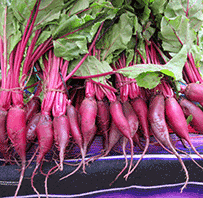
There's a cornucopia of beetroot varieties in many different colours and shapes. 'Detroit' is deep red and has excellent flavour; 'Bull's Blood' is particularly good as a baby beet and the metallic-purple coloured leaves are great for microgreens. Try 'Golden Detroit' as a baked vegetable - the flavour is superb. The Italian heirloom 'Chioggia' has pretty pink and white ringed flesh while the long root of 'Cylindrica' is ideal for slicing.
Enjoy beetroot baked as an accompaniment to fish or meat, grated fresh on sandwiches and salads or in a goodness-packed juice with carrot, apple and celery.
Browse our Organic Seed Shop for beetroots
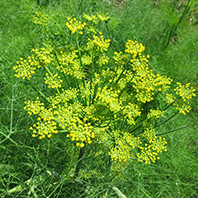 Autumn is a great time to work on improving the balance between predators and pests. Plant flowers such as
sweet alice (alyssum) to attract beneficial
insects for biological control, try our
Good Bug Mix or simply allow
coriander and
dill (pictured) to go to flower.
Autumn is a great time to work on improving the balance between predators and pests. Plant flowers such as
sweet alice (alyssum) to attract beneficial
insects for biological control, try our
Good Bug Mix or simply allow
coriander and
dill (pictured) to go to flower.
Build a pond to encourage frogs, dragonflies and birds. Plant native shrubs in groups to create habitat for ground-dwelling predators and nesting sites for small, insect-eating birds. Keep a few chooks in the orchard to clean up over-wintering fruit fly and codling moth.
More information on design for pest balance
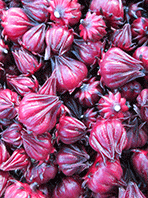 If you found space to plant rosellas, now is the time to process them. Rosellas are a joy to grow, no pest
problems, hardy and productive; we use them mainly as a tea, jam or cordial. The tea is very similar in flavour
to rosehips and high in Vitamin C. To make it, strip off the red calyx (fleshy cover surrounding the seedpod)
and dry it in the solar dryer or a slow oven until leathery. Only two small pieces are needed per cup, try mixing
it with dried lemongrass or lemon verbena and dried organic orange peel, for a wonderful herb tea, it is also
good as an iced tea. Rosella jam is a good jam to start on if you are
new to jam making as it sets easily, stores well and is delicious!
If you found space to plant rosellas, now is the time to process them. Rosellas are a joy to grow, no pest
problems, hardy and productive; we use them mainly as a tea, jam or cordial. The tea is very similar in flavour
to rosehips and high in Vitamin C. To make it, strip off the red calyx (fleshy cover surrounding the seedpod)
and dry it in the solar dryer or a slow oven until leathery. Only two small pieces are needed per cup, try mixing
it with dried lemongrass or lemon verbena and dried organic orange peel, for a wonderful herb tea, it is also
good as an iced tea. Rosella jam is a good jam to start on if you are
new to jam making as it sets easily, stores well and is delicious!
More information on growing Rosella
February
Autumn is a very different planting time depending on whether you live in the subtropics, tropics or cooler temperate areas. In cooler areas winter vegetables are planted earlier in January and February so they grow through the autumn months and mature in the cold winter months. In the subtropics it is unwise to plant winter vegetables such as brassicas (cabbage, broccoli etc) too early as before mid March it is generally too hot and humid with major caterpillar problems likely to occur.
Browse our Organic Seed Shop
Subtropical and Tropical Areas
February
Lettuce can be planted from now until June; choose non-hearting types (Cos, Oakleaf, Saladbowl) until the weather cools down; Iceberg types (Ice Queen) do best through winter. Continue successive sowings of snake beans, cherry tomatoes, cucumber, watermelon, Ceylon spinach, parsley (the flat leaf types e.g. 'Giant of Italy' are hardier in humid areas and less prone to crown rot) and sweet corn. Tamarillo and pawpaw can be planted now. Seedlings of cabbage and broccoli can be raised in a shadehouse for planting in March/April when conditions will be more favourable.
Microgreens and sprouts to sow now: alfalfa, amaranth, buckwheat, fenugreek, lentil and mung.
March
 In frost-free areas beans,
capsicum,
cape gooseberries,
cucumbers,
eggplant,
melon,
pumpkin,
okra,
zucchini and
tomatoes can be planted until the end of April.
Brussels sprouts
take at least 4 months to mature so have to be planted now. After mid-March plant seed or seedlings of
broccoli,
kale and
collards,
mustard,
cabbage,
cauliflower,
parsley,
rocket,
spinach,
silverbeet,
beetroot,
Florence fennel, the
onion family (early and mid-season onions,
shallots, spring onions, leek, garlic),
celery,
coriander,
mizuna,
tatsoi. Plant
carrots,
radish,
parsnips,
kohl rabi and
turnips from seed only, root vegetables
should not be transplanted.
In frost-free areas beans,
capsicum,
cape gooseberries,
cucumbers,
eggplant,
melon,
pumpkin,
okra,
zucchini and
tomatoes can be planted until the end of April.
Brussels sprouts
take at least 4 months to mature so have to be planted now. After mid-March plant seed or seedlings of
broccoli,
kale and
collards,
mustard,
cabbage,
cauliflower,
parsley,
rocket,
spinach,
silverbeet,
beetroot,
Florence fennel, the
onion family (early and mid-season onions,
shallots, spring onions, leek, garlic),
celery,
coriander,
mizuna,
tatsoi. Plant
carrots,
radish,
parsnips,
kohl rabi and
turnips from seed only, root vegetables
should not be transplanted.
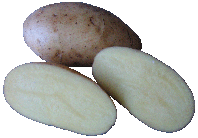
Potatoes can be planted into well-mulched beds, only use certified seed potatoes to avoid introducing damaging virus diseases to your garden. Strawberries can be planted from March to the end of April. Late March to mid-April is the best time in warmer areas to plant spring flower seedlings of lobelia, dianthus, stock, viola, cornflower, alyssum, pansy, clarkia, nemesia, phlox, lupin, primula, statice, verbena, poppy, nigella, snapdragon and calendula. Sweet peas are a delightful, easy to grow, fragrant flower that can be planted until the end of April. Soak the seeds in hot water and leave them overnight to improve germination. Check the soil pH and lime if necessary, as they dislike acid soil.
 Try our colourful Good Bug Mix a cottage garden mix with
12 types of seed in 1 packet and attract beneficial insects to your garden.
Try our colourful Good Bug Mix a cottage garden mix with
12 types of seed in 1 packet and attract beneficial insects to your garden.
Microgreens and sprouts to sow now: alfalfa, fenugreek, mung and radish.
April
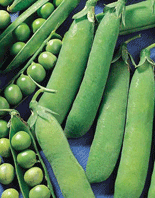
This is the best time to sow peas, if you haven't tried Sugar Snap peas, now is your chance! Most of the brassica family can be planted now (Asian greens, broccoli, kale and collards, mustard, cabbage). Continue sowing root vegetables (beetroot, carrots, radish, parsnips, kohl rabi and turnips). Japanese turnips are sweeter than common turnips and very hardy. Continue sowing the onion family and greens including silverbeet, celery, rocket and spinach. Broad beans can be sown until May. Garlic can be planted until the end of April, planting after this date reduces the size of the bulbs. Best month to plant cool season green manures. Wait until April to plant heat tolerant bulbs such as babiana, ixia, freesia, autumn crocus, and sparaxis. Try not to be tempted by displays in supermarkets of tulips and hyacinths, as they are very unlikely to do well.
Microgreens and sprouts to sow now: alfalfa, barley, beetroot, broccoli, cabbage, fenugreek, oats, pea, radish and wheat.
Temperate and Mediterranean Areas
 February
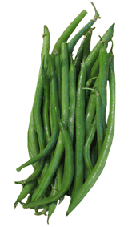
Last sowing for the year of bush beans and sweet corn in warmer areas. Most of the brassica family can be planted now (Asian greens, broccoli, kale and collards, mustard, cabbage, cauliflower). In cooler areas plant brassica seedlings. Plant carrots, beetroot, radish, parsnips, salisfy, kohl rabi and turnips from seed only, root vegetables should not be transplanted. Sow greens including silverbeet, chicory, endive, rocket, spinach, celery. Try a few less common vegetables such as Florence fennel. The onion family (early and mid-season onions, shallots, spring onions, leek - as seedlings only) can be planted through March. Potatoes and peas in warmer areas only.
Microgreens and sprouts to sow now: alfalfa, barley, beetroot, broccoli, cabbage, fenugreek, mung, oats, pea, radish and wheat.
March
In cooler areas the slower growing brassica (cabbage, broccoli, cauliflower) should only be planted as seedlings. Other brassica can still be planted now (Asian greens, mizuna, tatsoi, kale and collards, mustard). It is the last month to sow Brussels sprouts. Sow greens including radicchio, endive, rocket, coriander, silverbeet, parsley, spinach. Plant root vegetables (carrots, radish, parsnips, kohl rabi and turnips). First sowing of broad beans (cooler areas only).
Sow seeds of spring flowers of pansy, viola, hollyhocks, delphinium, lobelia, stock, dianthus, cornflower, alyssum, clarkia, nemesia, phlox, lupin, primula, poppy, statice, verbena, nigella, snapdragon and calendula. Sweet peas are a delightful, easy to grow, fragrant flower that can be planted now, check the soil pH as they dislike acid soil. In March and April plant spring bulbs anemones, freesias, dutch iris, daffodils, jonquils.
Microgreens and sprouts to sow now: alfalfa, barley, beetroot, broccoli, cabbage, fenugreek, oats, pea, radish and wheat.
April
Best months to plant cool season green manures, carrots, garlic, broad beans, beetroot, cabbage, cauliflower, onions, spinach, silverbeet, parsnips, peas (frost-free districts).
Microgreens and sprouts to sow now: barley, beetroot, broccoli, cabbage, fenugreek, oats, pea, radish and wheat.
Browse our Organic Seed Shop
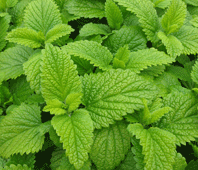 Permaculture design focuses on functional design, rather than design for appearances' sake. Herbs can play many
different roles in your garden and you can increase their usefulness by where you place them. As herbs are
generally very hardy plants, it is best to avoid giving them the best soil. They need little watering, are resistant
to pests and often have attractive flowers. As the gardener is the focus of a permaculture design, where you place
the herbs depends on how often you use them and your cooking style.
Permaculture design focuses on functional design, rather than design for appearances' sake. Herbs can play many
different roles in your garden and you can increase their usefulness by where you place them. As herbs are
generally very hardy plants, it is best to avoid giving them the best soil. They need little watering, are resistant
to pests and often have attractive flowers. As the gardener is the focus of a permaculture design, where you place
the herbs depends on how often you use them and your cooking style.
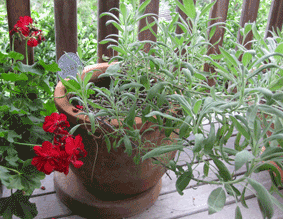
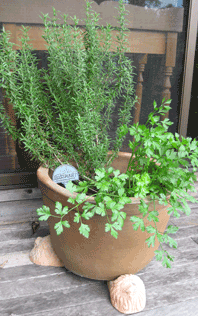 Sage is difficult to grow in a garden bed in hot, humid areas
but it will do reasonably well on a deck or verandah under a roof or just tucked under the eaves. This is a good
way to grow any of the Mediterranean herbs such as rosemary or
thyme, which otherwise can be short-lived in the subtropics.
Sage is difficult to grow in a garden bed in hot, humid areas
but it will do reasonably well on a deck or verandah under a roof or just tucked under the eaves. This is a good
way to grow any of the Mediterranean herbs such as rosemary or
thyme, which otherwise can be short-lived in the subtropics.

 Hard-pruning your hybrid tea and floribunda roses in February is a good idea as it will give the plants a rest
and stop flowering in the heat and humidity of the wet season, when flowers will just collapse anyway. Remember
to remove all rose prunings as they can harbour disease. Your plants should be ready to flower again by late
March, when it is cooler. Roses often flower well from March to July. Remember to dead-head regularly to keep
flowers forming. Fertilise each bush with blood and bone and 100 g of sulphate of potash per bush. Spraying with
Natrakelp seaweed spray will help to prevent black spot
problems. Information on organic rose care.
Hard-pruning your hybrid tea and floribunda roses in February is a good idea as it will give the plants a rest
and stop flowering in the heat and humidity of the wet season, when flowers will just collapse anyway. Remember
to remove all rose prunings as they can harbour disease. Your plants should be ready to flower again by late
March, when it is cooler. Roses often flower well from March to July. Remember to dead-head regularly to keep
flowers forming. Fertilise each bush with blood and bone and 100 g of sulphate of potash per bush. Spraying with
Natrakelp seaweed spray will help to prevent black spot
problems. Information on organic rose care.
| Plant Some Peas | We've Got The Beet | Improve the Pest Balance in Your Garden |
| Using the Rosella Harvest | Garden Calendar | What to Sow Now |
| Herbs in Permaculture | Autumn Rose Care |
Plant Some Peas
Nothing rivals the sweetness of a pea just picked from the garden. Podding peas, snowpeas and sugarsnap peas
are available as bush types and climbers; they can be planted in late summer to autumn in all but cooler areas.
Rig up a trellis or use a
Pea and Bean Net
to support your plants.Peas dislike acidity; lime if necessary to achieve a soil pH of 6 - 7. Direct sow into a sunny position, 3 - 5 cm deep and 7.5 cm apart. Water after sowing, then to avoid seed rotting, don't water for a couple of days. Climbers include the snowpeas 'Melting Mammoth' and purple-flowered 'Yakumo'; 'Telephone' podding pea and sugarsnap 'Cascadia'. Bush types include the snowpea 'Oregon Sugar', sugarsnap 'Sugar Ann' and podding peas 'Novella' and 'Greenfeast'.
Browse our Organic Seed Shop for peas
We've Got The Beet
Autumn: the time is right for planting glorious beetroot. A valuable plant for its delicious, nutritious root
and brightly coloured, tasty leaves, beetroot is easy to grow and doesn't need much space in the garden.
Growing beetroot
Beetroot 'seeds' are actually cork-like fruit containing 2 to 6 true seeds. Soak seed clusters in warm water for one to two hours then sow 12 mm deep, directly into fertile, well-worked, well-drained soil in a sunny position. Rows should be 30 cm apart; once the seedlings emerge, thin them to 10 cm apart. Avoid adding too much nitrogen as it promotes leaf growth at the expense of root development. Beetroot does well with a soil pH of 6.5 to 7.5. Supply trace elements by applying Natrakelp liquid seaweed; it will help with disease resistance too.
Harvest the roots in 55 - 70 days, depending on the variety. For sweet and tender beetroot, start harvesting at golf ball size.
Beetroot is happy to share a bed with onions, silverbeet, lettuce, cabbage, beans, dill, peas or strawberries.
Beetroot varietiesThere's a cornucopia of beetroot varieties in many different colours and shapes. 'Detroit' is deep red and has excellent flavour; 'Bull's Blood' is particularly good as a baby beet and the metallic-purple coloured leaves are great for microgreens. Try 'Golden Detroit' as a baked vegetable - the flavour is superb. The Italian heirloom 'Chioggia' has pretty pink and white ringed flesh while the long root of 'Cylindrica' is ideal for slicing.
Enjoy beetroot baked as an accompaniment to fish or meat, grated fresh on sandwiches and salads or in a goodness-packed juice with carrot, apple and celery.
Browse our Organic Seed Shop for beetroots
Beetroot and Haloumi with Balsamic Dressing
The sweetness of beetroot goes really well with salty haloumi.
Wrap each beetroot in foil (don't wash, trim or peel) and bake at 180°C for 45 minutes - 1 hour until tender. Cool slightly, trim top and root, peel and slice widthways into 3 or 4. Toast pecans in a dry pan for a few minutes, stirring. Heat oil in frying pan over medium heat and fry haloumi slices until browned on both sides. Put a handful of washed leaves on each plate, top with alternating slices of beetroot and haloumi. Top with toasted pecans and a little balsamic dressing. Serves 4 as a light meal.
The sweetness of beetroot goes really well with salty haloumi.
|
Ingredients 4 medium beetroots 1 block of haloumi, sliced 1 cup of pecans Olive oil for frying Baby spinach leaves |
Dressing 60 ml Balsamic vinegar 60 ml Olive oil 1 large clove of garlic, chopped or crushed Shake in a jar until mixed |
Wrap each beetroot in foil (don't wash, trim or peel) and bake at 180°C for 45 minutes - 1 hour until tender. Cool slightly, trim top and root, peel and slice widthways into 3 or 4. Toast pecans in a dry pan for a few minutes, stirring. Heat oil in frying pan over medium heat and fry haloumi slices until browned on both sides. Put a handful of washed leaves on each plate, top with alternating slices of beetroot and haloumi. Top with toasted pecans and a little balsamic dressing. Serves 4 as a light meal.
Improve the Pest Balance in Your Garden
Autumn is a great time to work on improving the balance between predators and pests. Plant flowers such as
sweet alice (alyssum) to attract beneficial
insects for biological control, try our
Good Bug Mix or simply allow
coriander and
dill (pictured) to go to flower.Build a pond to encourage frogs, dragonflies and birds. Plant native shrubs in groups to create habitat for ground-dwelling predators and nesting sites for small, insect-eating birds. Keep a few chooks in the orchard to clean up over-wintering fruit fly and codling moth.
More information on design for pest balance
Using the Rosella Harvest
If you found space to plant rosellas, now is the time to process them. Rosellas are a joy to grow, no pest
problems, hardy and productive; we use them mainly as a tea, jam or cordial. The tea is very similar in flavour
to rosehips and high in Vitamin C. To make it, strip off the red calyx (fleshy cover surrounding the seedpod)
and dry it in the solar dryer or a slow oven until leathery. Only two small pieces are needed per cup, try mixing
it with dried lemongrass or lemon verbena and dried organic orange peel, for a wonderful herb tea, it is also
good as an iced tea. Rosella jam is a good jam to start on if you are
new to jam making as it sets easily, stores well and is delicious!More information on growing Rosella
Garden Calendar
February
- Citrus Leaf Miner causes ugly distorted leaves with silvery trails in the leaf tissue. Meyer lemons are particularly susceptible. Eco-Oil is a non-toxic control, spray when new growth is about 1 cm long, reapply every 2-3 weeks. January and February are a crucial times to spray. Place Blue Card Traps near citrus trees.
- Maintain fruit fly traps, destroy (never bury) spoiled fruit. Cover fruit with a Stone Fruit Bag.
- Lightly prune deciduous fruit trees and remove dead wood when the fruit is finished. Prune all summer flowering shrubs that have finished blooming.
- Water deeply if the weather is dry, keep the mulch topped up.
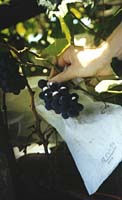
- Protect bunches of grapes from birds with Pest Guard Bags. Pinch out all the shoots that grow beyond the grape bunches. This prevent excessive shading and encourages air movement, keeping the vines healthy.
- Fertilise autumn flowering shrubs and bulbs with a side dressing of blood and bone or a complete organic fertiliser.
- Prepare bulb beds and beds for spring-flowering annuals with deep digging, addition of organic matter and mulching.
- Order new bulbs. Plant early-spring flower seedlings of torenia, salvia and petunia. Leave the main planting of spring annuals until March/April.
- Prepare soil for an early April sowing of sweet peas and garden peas by liming the area now, so there will be time for the pH to rise to the desired level.
- Lift irises and divide if necessary, discarding older rhizomes. Apply lime to iris beds.
- Save seed from annual herbs for planting next spring. Harvest fresh herbs to dry or for herb vinegar.
- Watch out for the hawk moth caterpillar, they can quickly defoliate sweet potato and taro. Handpick or spray with Dipel.
- Propagate cuttings of evergreen shrubs. Take softwood cuttings of lavenders, thyme, pelargonium and scented geraniums.
- Citrus trees are very hungry feeders with high requirements for trace elements; a regular spray with a seaweed fertiliser such as Natrakelp will supply trace elements.
- Fertilise mango, avocado, custard apple, pawpaw, carambola and macadamia.
- Band trees, such as citrus and custard apple, with sticky barriers, use Tree Guard Glue, to keep ants and other crawling pests out of trees. Sticky barriers are very effective at reducing scale attacks.
- To control White Louse Scale on citrus, spray with Lime-sulphur in winter, other scale outbreaks can be controlled with Eco-Oil. Information on scale control.
- De-sucker bananas and fertilise.
- For Queensland: strawberry runners should be planted now into well-mulched beds with added organic fertiliser. Try to find suitable varieties for warmer areas. Information on growing strawberries.
- Caterpillar activity increases in March, check plants early that have had problems in previous years. Procession or White Cedar caterpillars will be on the move, protect young trees from defoliation by wrapping hessian around the trunk for the caterpillars to congregate in during the day. Check regularly and destroy. Information on caterpillar control.
- Spray Dipel to control white cabbage butterfly, which can seriously damage young broccoli and cabbage plants or protect with a Vege Net.
- Plant a green manure crop in any unoccupied beds to improve the soil for spring planting. First check the pH, as too acid or alkaline a soil may be preventing nutrient uptake by your plants. Legumes, used in green manures, generally prefer a neutral soil and dislike acidity.
- Continue to check for Citrus Leaf Miner and if necessary, spray Eco-Oil when new growth is about 1 cm long and reapply every 2 - 3 weeks.
- Cut back perennial flowers and herbs to ground level that have finished flowering. It is a good time to dig them and divide if needed.
- Put Eradicate Snail and Slug Bait out in containers close to young seedlings or spray with Escar-Go.
- Whitefly, a small sap sucking insect, may be attacking your tomatoes. Give the leaves a shake and if a cloud of whiteflies is disturbed, it is time for a spray with Eco-Oil or Natrasoap. Information on whitefly control.
- Fertilise winter flowerers like sasanqua camellias now for a good winter display.
- Cut back globe artichokes; every 4 - 5 years these should be lifted and divided. Dig and eat Jerusalem artichokes.
- In subtropical and tropical areas prepare the soil well with homemade compost, mushroom compost, worm castings or organic fertiliser before planting vegetables, as the soil will be depleted by wet-season rain. Applying fertiliser earlier than this is often wasteful due to leaching by heavy rain.

- This is a great time to be planting vegetables in subtropical and tropical areas.
- Harvest pumpkins leaving 4-6 cm of stalk at the top, to improve storage qualities. Avoid lifting the pumpkins by this stalk.
- March to April are often the worst months for caterpillars such as White Cabbage butterfly, spray with organically acceptable Dipel or use a Vege Net. In warmer areas keep an eye out for Hawk Moth caterpillars; they can decimate taro and sweet potato plants.
- Bananas should all have been de-suckered by now.
- Keep an eye on citrus for signs of scale, if present spray with Eco-Oil. Do not spray if a frost is likely to occur. Band trunks with Grease Bands to stop ants farming and protecting scale and aphids.
- Plant evergreen fruit trees, defer planting deciduous fruit trees until July-August. Remove runners forming on young strawberry plants. Information on growing strawberries.
- Remove any mummified fruit from trees and pick up fallen fruit from the ground and dispose of appropriately.
- Remove codling moth bands from apple trees and destroy. Give the bark a cleanup with a wire brush to remove pupating caterpillars. Information on codling moth control.
- Prune the passionfruit vines, cut the laterals back to 2 buds.
- Prune stone fruit which have finished fruiting and are still actively growing. Wounds will heal faster, reducing the risk of disease. Remove suckers from all fruit trees as close to the bark as possible.
- This is a good time to weed, spread lime and mulch under fruit trees. Prunings can be added to the mulch. Woody additions to mulch build organic matter levels in the soil.
- In cooler areas raspberry and currant bushes can be pruned.
- A good time to re-pot potted plants and hanging baskets. Add Life Force Gold slow-release fertiliser to the potting mix.
- Humid weather will encourage fungal problems on roses, keep dead-heading. Eco-Fungicide is an excellent organic control.
- If herbaceous perennials have finished flowering, cut off the old foliage to ground level. This is also a good time to divide clumps, if they are overgrown and congested.
- This is the last chance to use herbs such as basil before they die back. Herb vinegars are a delightful addition to salads and pesto freezes well.
- Plant a winter green manure in any empty beds. Choose BQ Mulch for any garden beds that had problems over summer with either nematodes or soil-borne fungal diseases.
- In subtropical and tropical areas weeds are setting seed. Try to at least cut the seed heads off even if you don't have time to do all the weeding. Remember to organise a mulch delivery beforehand so that your effort weeding is rewarded by months of weed-free garden beds.
- Clean up the last of the summer vegetable crops. Don't leave old stalks in the ground, as this just spreads disease. This is one of the best times of the year to make a big compost heap with all the prunings and remains of summer vegetable crops that have finished.


What To Sow Now
Autumn is a very different planting time depending on whether you live in the subtropics, tropics or cooler temperate areas. In cooler areas winter vegetables are planted earlier in January and February so they grow through the autumn months and mature in the cold winter months. In the subtropics it is unwise to plant winter vegetables such as brassicas (cabbage, broccoli etc) too early as before mid March it is generally too hot and humid with major caterpillar problems likely to occur.
Browse our Organic Seed Shop
Subtropical and Tropical Areas
February
Lettuce can be planted from now until June; choose non-hearting types (Cos, Oakleaf, Saladbowl) until the weather cools down; Iceberg types (Ice Queen) do best through winter. Continue successive sowings of snake beans, cherry tomatoes, cucumber, watermelon, Ceylon spinach, parsley (the flat leaf types e.g. 'Giant of Italy' are hardier in humid areas and less prone to crown rot) and sweet corn. Tamarillo and pawpaw can be planted now. Seedlings of cabbage and broccoli can be raised in a shadehouse for planting in March/April when conditions will be more favourable.
Microgreens and sprouts to sow now: alfalfa, amaranth, buckwheat, fenugreek, lentil and mung.
March
In frost-free areas beans,
capsicum,
cape gooseberries,
cucumbers,
eggplant,
melon,
pumpkin,
okra,
zucchini and
tomatoes can be planted until the end of April.
Brussels sprouts
take at least 4 months to mature so have to be planted now. After mid-March plant seed or seedlings of
broccoli,
kale and
collards,
mustard,
cabbage,
cauliflower,
parsley,
rocket,
spinach,
silverbeet,
beetroot,
Florence fennel, the
onion family (early and mid-season onions,
shallots, spring onions, leek, garlic),
celery,
coriander,
mizuna,
tatsoi. Plant
carrots,
radish,
parsnips,
kohl rabi and
turnips from seed only, root vegetables
should not be transplanted.Potatoes can be planted into well-mulched beds, only use certified seed potatoes to avoid introducing damaging virus diseases to your garden. Strawberries can be planted from March to the end of April. Late March to mid-April is the best time in warmer areas to plant spring flower seedlings of lobelia, dianthus, stock, viola, cornflower, alyssum, pansy, clarkia, nemesia, phlox, lupin, primula, statice, verbena, poppy, nigella, snapdragon and calendula. Sweet peas are a delightful, easy to grow, fragrant flower that can be planted until the end of April. Soak the seeds in hot water and leave them overnight to improve germination. Check the soil pH and lime if necessary, as they dislike acid soil.
Try our colourful Good Bug Mix a cottage garden mix with
12 types of seed in 1 packet and attract beneficial insects to your garden.Microgreens and sprouts to sow now: alfalfa, fenugreek, mung and radish.
April
This is the best time to sow peas, if you haven't tried Sugar Snap peas, now is your chance! Most of the brassica family can be planted now (Asian greens, broccoli, kale and collards, mustard, cabbage). Continue sowing root vegetables (beetroot, carrots, radish, parsnips, kohl rabi and turnips). Japanese turnips are sweeter than common turnips and very hardy. Continue sowing the onion family and greens including silverbeet, celery, rocket and spinach. Broad beans can be sown until May. Garlic can be planted until the end of April, planting after this date reduces the size of the bulbs. Best month to plant cool season green manures. Wait until April to plant heat tolerant bulbs such as babiana, ixia, freesia, autumn crocus, and sparaxis. Try not to be tempted by displays in supermarkets of tulips and hyacinths, as they are very unlikely to do well.
Microgreens and sprouts to sow now: alfalfa, barley, beetroot, broccoli, cabbage, fenugreek, oats, pea, radish and wheat.
Temperate and Mediterranean Areas
FebruaryLast sowing for the year of bush beans and sweet corn in warmer areas. Most of the brassica family can be planted now (Asian greens, broccoli, kale and collards, mustard, cabbage, cauliflower). In cooler areas plant brassica seedlings. Plant carrots, beetroot, radish, parsnips, salisfy, kohl rabi and turnips from seed only, root vegetables should not be transplanted. Sow greens including silverbeet, chicory, endive, rocket, spinach, celery. Try a few less common vegetables such as Florence fennel. The onion family (early and mid-season onions, shallots, spring onions, leek - as seedlings only) can be planted through March. Potatoes and peas in warmer areas only.
Microgreens and sprouts to sow now: alfalfa, barley, beetroot, broccoli, cabbage, fenugreek, mung, oats, pea, radish and wheat.
March
In cooler areas the slower growing brassica (cabbage, broccoli, cauliflower) should only be planted as seedlings. Other brassica can still be planted now (Asian greens, mizuna, tatsoi, kale and collards, mustard). It is the last month to sow Brussels sprouts. Sow greens including radicchio, endive, rocket, coriander, silverbeet, parsley, spinach. Plant root vegetables (carrots, radish, parsnips, kohl rabi and turnips). First sowing of broad beans (cooler areas only).
Sow seeds of spring flowers of pansy, viola, hollyhocks, delphinium, lobelia, stock, dianthus, cornflower, alyssum, clarkia, nemesia, phlox, lupin, primula, poppy, statice, verbena, nigella, snapdragon and calendula. Sweet peas are a delightful, easy to grow, fragrant flower that can be planted now, check the soil pH as they dislike acid soil. In March and April plant spring bulbs anemones, freesias, dutch iris, daffodils, jonquils.
Microgreens and sprouts to sow now: alfalfa, barley, beetroot, broccoli, cabbage, fenugreek, oats, pea, radish and wheat.
April
Best months to plant cool season green manures, carrots, garlic, broad beans, beetroot, cabbage, cauliflower, onions, spinach, silverbeet, parsnips, peas (frost-free districts).
Microgreens and sprouts to sow now: barley, beetroot, broccoli, cabbage, fenugreek, oats, pea, radish and wheat.
Browse our Organic Seed Shop
Seed Storage
The best place to store seed is in a sealed container in your fridge. Seed stored in a hot garden shed or garage that can reach temperatures greater than 40°C in summer will simply die. Seed stored open to the air where it can take up moisture will lose viability.
The best place to store seed is in a sealed container in your fridge. Seed stored in a hot garden shed or garage that can reach temperatures greater than 40°C in summer will simply die. Seed stored open to the air where it can take up moisture will lose viability.
Herbs In Permaculture
Permaculture design focuses on functional design, rather than design for appearances' sake. Herbs can play many
different roles in your garden and you can increase their usefulness by where you place them. As herbs are
generally very hardy plants, it is best to avoid giving them the best soil. They need little watering, are resistant
to pests and often have attractive flowers. As the gardener is the focus of a permaculture design, where you place
the herbs depends on how often you use them and your cooking style.- Herbs used in cooking such as thyme, basil, coriander, oregano, zaatar, chives and parsley are best placed close to the kitchen door. Large terracotta pots on a deck allow for a quick harvest, even after dark. They can also be used as an edging to vegetable beds.
- If you love to cook Asian-style in a wok then ginger, turmeric, galangal, lemongrass and chilli belong in your herb garden. Herbs such as ginger and turmeric require partial shade and can be grown as an understorey below pawpaws and bananas. If your garden is frost-free, pepper vines and vanilla orchids are attractive climbers.
- Tea-making herbs such as lemon verbena, lemongrass and peppermint need to be close to the kitchen for easy harvest. Mints are best contained in large containers such as recycled laundry tubs or terracotta tubs.
- Pest repellent herbs include wormwood, rue, pyrethrum, garlic chives, lavender, rosemary and garlic. These are believed to be repellent to pests so should be scattered throughout the garden and in clumps amongst your fruit trees.
- Nutrient cyclers are herbs with very deep roots that are able to capture nutrients leached from the topsoil by heavy rain. When cut for mulch or compost these nutrients become available to other, shallow-rooted plants. The most useful are chicory, lucerne, daikon and comfrey (available July - September). Comfrey is a truly multi-purpose plant, no gardener should be without it! It is an excellent bee forage, provides good quality mulch and has deep roots that break up compacted soils. It accumulates silica, nitrogen, magnesium, calcium, potassium and iron and so makes a good liquid manure.
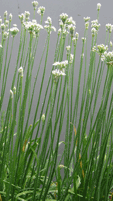 Sage is difficult to grow in a garden bed in hot, humid areas
but it will do reasonably well on a deck or verandah under a roof or just tucked under the eaves. This is a good
way to grow any of the Mediterranean herbs such as rosemary or
thyme, which otherwise can be short-lived in the subtropics.
Sage is difficult to grow in a garden bed in hot, humid areas
but it will do reasonably well on a deck or verandah under a roof or just tucked under the eaves. This is a good
way to grow any of the Mediterranean herbs such as rosemary or
thyme, which otherwise can be short-lived in the subtropics.
Autumn Rose Care In Warmer Areas
Hard-pruning your hybrid tea and floribunda roses in February is a good idea as it will give the plants a rest
and stop flowering in the heat and humidity of the wet season, when flowers will just collapse anyway. Remember
to remove all rose prunings as they can harbour disease. Your plants should be ready to flower again by late
March, when it is cooler. Roses often flower well from March to July. Remember to dead-head regularly to keep
flowers forming. Fertilise each bush with blood and bone and 100 g of sulphate of potash per bush. Spraying with
Natrakelp seaweed spray will help to prevent black spot
problems. Information on organic rose care.
Home
Green Harvest Organic Gardening Supplies is permanently closed as of 5pm on 1-11-2023.
We will not be taking orders by this website, in person, by phone or email. Our display garden and retail shop are closed forever.
Read more...
Phone:07 54357000
Phone calls will only be responded to sporadically and only in reference to orders placed prior to 2-11-2023. All the useful growing and organic pest management research and resources are available on this website for a while still.
No liability will be accepted by Green Harvest, its owners or employees as to the accuracy of any information. No responsibility will be taken for damage to property or persons due to information given about a product or technique. No responsibility will be taken for the loss of a crop or income due to information given about a product or technique.
 Shopping here is private and secure.
Copyright © 2001 - 2024 Green Harvest Organic Gardening Supplies
No part of this website may be reproduced without permission of the owner