| Organic Seeds | Edible Plants | Organic Pest Controls | Books | Tools, Propagation & Fertilisers | Sprouting & Microgreens | Poultry Supplies | Specials & Gift Ideas |

Top

We will send an email to this address*
when is next available
* we will use this email address only for this notification and then we will delete it.
 Home
Home
Green Harvest Organic Gardening Supplies is permanently closed as of 5pm on 1-11-2023.
We will not be taking orders by this website, in person, by phone or email. Our display garden and retail shop are closed forever.
Read more...
Phone:07 54357000
Phone calls will only be responded to sporadically and only in reference to orders placed prior to 2-11-2023. All the useful growing and organic pest management research and resources are available on this website for a while still.
Winter Green Notes © Frances Michaels
Winter is a very different time in the garden depending on your climate zone. In cooler areas it is time for a clean-up of the orchard, particularly tree pruning and spraying to control diseases on the new spring growth. Protecting trees and plants from the impact of frost should be a priority early in the season. In the subtropics and tropics it is the best time of year to be out in the garden; the hot, humid weather is a distant memory, pest numbers are down and the vege garden is powering.
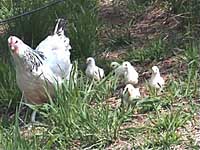
 Keeping chooks supplies you with organic free-range eggs and chicken manure but other advantages are less obvious.
Poultry convert the inedible into the edible, turning kitchen scraps into eggs,
reducing the need to compost. Chooks are also very industrious when it comes to catching insects, particularly fruit
fly and codling moth. Growing food for chooks reduces feed bills and provides your birds with a healthy, varied diet.
The chickens will be happier provided with shade and entertainment and egg quality will be higher.
Keeping chooks supplies you with organic free-range eggs and chicken manure but other advantages are less obvious.
Poultry convert the inedible into the edible, turning kitchen scraps into eggs,
reducing the need to compost. Chooks are also very industrious when it comes to catching insects, particularly fruit
fly and codling moth. Growing food for chooks reduces feed bills and provides your birds with a healthy, varied diet.
The chickens will be happier provided with shade and entertainment and egg quality will be higher.
Chooks need plenty of greens for their health and as anyone who has watched chickens free-ranging will attest, they love their veges! Growing greens for your flock is a great way to make sure they get what they want, especially when other foraging options are few. Depending on the space available, there are a few ways to create forage areas. A chook system with multiple runs will allow you to cycle crops of greens for the chickens, in rotation, by excluding the birds from areas while green forage crops are growing. If you have a smaller space, a chook tractor or portable coop can work well. Set aside one or two garden beds for your poultry food plants and move the chook pen onto the bed once the plants have grown.
 What to plant: broadcast a seed mix such as
Clucker Tucker™, a hardy mix of
all-important greens which includes
barrel medic,
bok choy,
buckwheat,
forage chicory,
clover, cocksfoot,
linseed,
lucerne,
millet,
forage plantain,
silverbeet,
subclover and
sunflower. Most seeds in the mix are also
available separately.
What to plant: broadcast a seed mix such as
Clucker Tucker™, a hardy mix of
all-important greens which includes
barrel medic,
bok choy,
buckwheat,
forage chicory,
clover, cocksfoot,
linseed,
lucerne,
millet,
forage plantain,
silverbeet,
subclover and
sunflower. Most seeds in the mix are also
available separately.
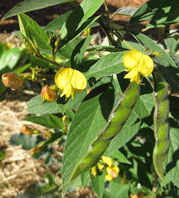
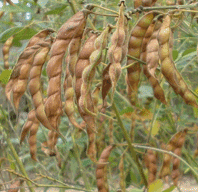
Establishing perennial plants for your poultry is worthwhile. Pigeon Pea is an excellent chicken forage for warmer areas, providing high protein seeds, edible leafy greens and shelter. It is a perennial, nitrogen-fixing, drought tolerant shrub to 2 - 3 m. Other perennial forages include: Queensland Arrowroot (available autumn and spring), cherry guava, clover, comfrey (available spring), lucerne, passionfruit, pawpaw, tamarillo.
Combine these poultry forages with your orchard by simply placing extra plants for chicken forage in amongst the fruit trees; the orchard will need to be well established before the chooks are allowed to free range to prevent damage to young trees. Scattering logs, concrete pavers or rocks across the top of the root zones will help prevent established plants being damaged by constant scratching.
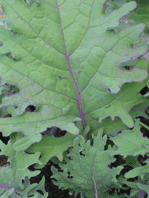
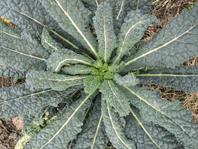 If you have never tried growing kale, now is your chance. This is a truly hardy vegetable with an extended harvest
season.
If you have never tried growing kale, now is your chance. This is a truly hardy vegetable with an extended harvest
season.
Kale is a very frost hardy cool season crop. In cooler areas wait for early spring to sow. In subtropical areas sow March - July; in tropical areas sow late March - July. Harvest the young, tender, centre leaves. Kale is a 'cut and come again' vegetable; use as steamed green or as an exciting ingredient in salad mixes.
Green Harvest favourites include drying it as a nutritious 'sprinkle' or as vegetable 'crisps'; substituting it for spinach in yummy spanakopita (spinach pie) or cooked as a traditional Italian winter soup.
What all areas have in common is that winter is a good time to consider the health of the soil. In cooler areas green manure crops are used to prepare the soil for spring planting, often providing a mulch crop as well. In the subtropics and tropics the gardens have been through the deluge, nutrients have washed away and the soil, if it wasn't well mulched, will have been compacted by the heavy rainfall. Compacted soils lack space and 'space' is where all the action is in a healthy soil. It is where the plant roots, earthworms, beneficial soil organisms and water are found. Creating more 'space' is fundamental practice to improve the health of the soil and that of plants.
Simple steps to build soil health:
In cooler areas plant seed or seedlings of Asian greens, broad beans, broccoli, cabbage, cauliflower, celery, chicory, collards, kale, lettuce, parsley, peas, spinach and onions. Plant carrot, daikon, radish, beetroot, parsnips and turnips from seed only, root vegetables should not be transplanted. In warmer frost-free areas beans, capsicum, eggplant, okra, zucchini, potatoes and tomatoes can also be planted.
Browse the organic seed shop
May
Traditionally deciduous fruit trees (pear, apple etc) were pruned during winter. Early summer pruning has become common and has improved benefits for training young trees as it allows for smaller cuts with less stress to the tree. This is only commonsense, if you allow an undesirable branch to grow all summer, cutting it off in winter will mean a much greater wound for the tree to heal. Summer pruning can often be done just by 'rubbing off' an unwanted bud with your fingers. Always avoid pruning on rainy days, as dry weather aids in healing the cuts.
Winter is still a good time to do fruit tree maintenance, such as removing deadwood or crossing branches. Begin by preparing your tools, sharpening secateurs and loppers and apply linseed oil to any wooden handles. The correct tools make the job easier, the basics you need are: secateurs for small, precise cuts, loppers for removing suckers, especially thorny ones and a good quality pruning saw for the bigger branches.
The only really safe ladder for outside work is a 3-legged orchard ladder, with foot pegs that push into the ground. Safer still is keeping fruit trees pruned low, as the fruit will be within easy reach for foliar feeding and harvesting and there is less risk of a fall. Remember your aim in pruning in a home garden is different to that of a commercial grower. It is essential you keep the tree small and manageable, so it can be covered easily to protect the fruit from birds, bats and possums; and in many areas, from fruit fly.
How To Begin
 Take the following steps to keep your trees in top condition:
 Citrus are easily the most commonly grown fruit tree in Australian backyards, probably because they simply can't
be beaten for usefulness and ornamental appearance. Every garden should have at least one citrus tree, for the
fragrance of the blossoms alone. There is a cultivar of citrus for every climate zone; in warmer areas Tahitian
limes are a better choice than lemons if there is only room for one tree. A lime tree would always be my first
choice of a fruit tree to plant.
Citrus are easily the most commonly grown fruit tree in Australian backyards, probably because they simply can't
be beaten for usefulness and ornamental appearance. Every garden should have at least one citrus tree, for the
fragrance of the blossoms alone. There is a cultivar of citrus for every climate zone; in warmer areas Tahitian
limes are a better choice than lemons if there is only room for one tree. A lime tree would always be my first
choice of a fruit tree to plant.
Lime trees are smaller than other citrus trees, crop over a longer period, are seedless and less thorny than lemons and the fruit can be used in a similar way. Of the lemons 'Eureka' is a good choice for the home garden, it is thornless, has few seeds, is ever-bearing and less prone to fruit fly damage than a 'Meyer' or 'Lemonade'.
Once your tree is full size you will have an abundance of fruit to deal with or give away. We preserve our harvest in a variety of ways, probably our favourite being lime/lemon cordial for refreshing summer drinks and lime/lemon butter for toast and pancakes. All the following recipes use lemons or limes interchangeably.
Basic Instructions
Tangy Lime Marmalade
This is a tart version of marmalade, if you prefer your marmalade quite sweet, increase the sugar to 2kg.
Moroccan Preserved Lemons / Limes
One or two pieces of preserved chopped fruit stirred into yogurt makes a great sauce for fish or lamb. Added to a beef, lamb or chicken casserole it gives a great flavour. Do not add extra salt to a dish without checking for taste, as the brined fruit adds saltiness.
Great range of food preserving books
Permaculture is a design system for creating sustainable human environments. It differs from landscape design in that the main aim is functional rather than ornamental. It aims to create gardens that are ecologically sound and economically viable, which do not exploit or pollute, and are therefore sustainable in the long term.
Permaculture uses the inherent qualities of plants and animals combined with the natural characteristics of landscapes to produce a life-supporting system, a 'human ecology' for city and country. One of its most basic aims is growing food.
Advantages
Growing food in a permaculture garden uses inputs, wherever possible, from biological sources. This means we use less fertiliser and instead make compost, grow nitrogen-fixing plants and use deep-rooted nutrient cyclers, such as comfrey, to reclaim minerals from deep levels in the soil. Animals such as chooks and guinea pigs are used for weed and insect control. Native birds and frogs are encouraged by providing habitat. Plants such as dill, lucerne, coriander or Good Bug Mix are grown to feed beneficial insects and improve biological control. More information on design for pest balance.
The potential for using biological inputs is enormous and is the key to creating a permaculture garden.
Useful Strategies
Vegetables that are ornamental can be planted in flower beds or shrub borders, saving space in the vege garden. Perennials are particularly useful e.g. Chilli, Elephant Garlic, Brazilian Spinach, Galangal, Ginger, Globe Artichoke, Jerusalem Artichoke, New Zealand Spinach, Scarlet Runner Bean, Tahitian Spinach syn. Taro, Turmeric, Winged Bean.
Vine Crops
 Vines can be used to create privacy or for shade:
The trees listed below are suitable for SE Queensland and northern NSW but many will do well in other areas. Here is an article on Fruit Trees for Small Gardens.
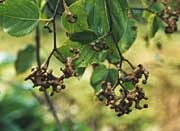 Fruit trees and shrubs can be planted in any part of the garden, select plants to be attractive, hardy and
pest resistant:
Fruit trees and shrubs can be planted in any part of the garden, select plants to be attractive, hardy and
pest resistant:
Waterplants
Waterplants are easy to grow, ornamental and provide gourmet food e.g. Arrowhead, waterchestnuts, Sacred Lotus.
Climate Change - a Backyard Perspective
It is easy to feel overwhelmed by the sheer scale of the problem but at least organic gardeners and farmers have
always been part of the solution. Organic strategies such as composting, worm farms, green manuring and mulching
are designed to keep carbon in the soil where it belongs, rather than in the atmosphere. The Rodale Institute in
the USA says, 'If only 10,000 medium sized farms in the U.S. converted to organic production, they would store so
much carbon in the soil that it would be equivalent to taking 1,174,400 cars off the road.'
58% of humus is carbon so as we build a healthy, fertile, biologically active soil we are also storing carbon. When green waste, lawn clippings, food scraps etc are thrown out with the rubbish and taken to landfill, it doesn't usually decompose to form compost but instead becomes a rotting mess that gives off methane, a greenhouse gas.
Healthy organic soils offer many benefits to the gardener including increased root development and improved soil aeration, moisture and nutrient retention. They stay warmer in winter due to the heat given off by the abundant living organisms found in organic matter. These soils also have a 'disease suppressive' effect. Plant diseases that may be common in stressed, low humus, conventionally farmed soils are often absent in organic soils. The amazing array of living organisms that reside in a healthy organic soil are responsible for the 'disease suppression effect'.
Soil microbial life includes fungi, bacteria, actinomycetes, predatory nematodes, mites, algae and amoeba. These mainly reside in the top 10 cm of soil. It is not unusual for a healthy soil, high in organic matter, to contain up to 2 tonnes live weight of bacteria per hectare. Even a gram of soil (1/5 of a tsp) can contain 1000 million bacteria, 1 million actinomycetes and 100,000 fungi with hyphae up to 5m long.
This abundant life is responsible for processing any raw organic material into humus and releasing nutrients from rock minerals. Fungi and micro-algae help the soil particles to clump together which improves the soil structure and increases the 'space' in the soil. Space is where the action is, without the all-important space there is nowhere for plant roots, soil life, air or water to occupy. Good soil can feel 'spongy' to walk on and contain up to 50% space. Soil without space is compacted and lifeless. Without the 'glue' produced by the micro-organisms the soil loses structure and becomes 'dust' able to be lifted by the wind into a dust storm.
Winter is a very different time in the garden depending on your climate zone. In cooler areas it is time for a clean-up of the orchard, particularly tree pruning and spraying to control diseases on the new spring growth. Protecting trees and plants from the impact of frost should be a priority early in the season. In the subtropics and tropics it is the best time of year to be out in the garden; the hot, humid weather is a distant memory, pest numbers are down and the vege garden is powering.
Growing Food for Poultry
Keeping chooks supplies you with organic free-range eggs and chicken manure but other advantages are less obvious.
Poultry convert the inedible into the edible, turning kitchen scraps into eggs,
reducing the need to compost. Chooks are also very industrious when it comes to catching insects, particularly fruit
fly and codling moth. Growing food for chooks reduces feed bills and provides your birds with a healthy, varied diet.
The chickens will be happier provided with shade and entertainment and egg quality will be higher.Chooks need plenty of greens for their health and as anyone who has watched chickens free-ranging will attest, they love their veges! Growing greens for your flock is a great way to make sure they get what they want, especially when other foraging options are few. Depending on the space available, there are a few ways to create forage areas. A chook system with multiple runs will allow you to cycle crops of greens for the chickens, in rotation, by excluding the birds from areas while green forage crops are growing. If you have a smaller space, a chook tractor or portable coop can work well. Set aside one or two garden beds for your poultry food plants and move the chook pen onto the bed once the plants have grown.
What to plant: broadcast a seed mix such as
Clucker Tucker™, a hardy mix of
all-important greens which includes
barrel medic,
bok choy,
buckwheat,
forage chicory,
clover, cocksfoot,
linseed,
lucerne,
millet,
forage plantain,
silverbeet,
subclover and
sunflower. Most seeds in the mix are also
available separately.Establishing perennial plants for your poultry is worthwhile. Pigeon Pea is an excellent chicken forage for warmer areas, providing high protein seeds, edible leafy greens and shelter. It is a perennial, nitrogen-fixing, drought tolerant shrub to 2 - 3 m. Other perennial forages include: Queensland Arrowroot (available autumn and spring), cherry guava, clover, comfrey (available spring), lucerne, passionfruit, pawpaw, tamarillo.
Combine these poultry forages with your orchard by simply placing extra plants for chicken forage in amongst the fruit trees; the orchard will need to be well established before the chooks are allowed to free range to prevent damage to young trees. Scattering logs, concrete pavers or rocks across the top of the root zones will help prevent established plants being damaged by constant scratching.
Growing Kale
If you have never tried growing kale, now is your chance. This is a truly hardy vegetable with an extended harvest
season.Kale is a very frost hardy cool season crop. In cooler areas wait for early spring to sow. In subtropical areas sow March - July; in tropical areas sow late March - July. Harvest the young, tender, centre leaves. Kale is a 'cut and come again' vegetable; use as steamed green or as an exciting ingredient in salad mixes.
Green Harvest favourites include drying it as a nutritious 'sprinkle' or as vegetable 'crisps'; substituting it for spinach in yummy spanakopita (spinach pie) or cooked as a traditional Italian winter soup.
Building Healthy Soils
What all areas have in common is that winter is a good time to consider the health of the soil. In cooler areas green manure crops are used to prepare the soil for spring planting, often providing a mulch crop as well. In the subtropics and tropics the gardens have been through the deluge, nutrients have washed away and the soil, if it wasn't well mulched, will have been compacted by the heavy rainfall. Compacted soils lack space and 'space' is where all the action is in a healthy soil. It is where the plant roots, earthworms, beneficial soil organisms and water are found. Creating more 'space' is fundamental practice to improve the health of the soil and that of plants.
Simple steps to build soil health:
- Add Biochar, as its porous structure holds moisture and nutrients and creates habitat for microbiological life. It increases the cation exchange capacity (CEC) of the soil.
- Add gypsum (calcium sulphate) at a rate of 500 g/m2 to soils with a high clay content to improve structure; soils without good structure will suffer higher plant losses from lack of aeration in the soil.
- Use a garden fork to aerate the soil by pushing it in with a levering action, not lifting or turning it over.
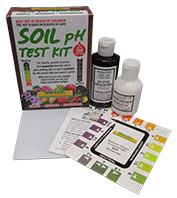
- Check the pH and add lime if needed. Calcium is highly mobile and easily lost during heavy rain. Information on soil pH.
- Sow a cool season green manure crop to increase organic matter levels and feed the soil life. An increase in organic matter will improve structure and reduce loss of nutrients by leaching in the future. It also sustainably replaces the lost nitrogen. Growing a green manure crop is as easy as spreading seed onto freshly dug and raked ground. The traditional method of digging-in is not necessary and creates unnecessary work without an increase in fertility. By slashing and leaving the green manure crop on the surface you create mulch for the following crop and the roots slowly decompose over time, similar to a slow-release fertiliser.
- Growing your own mulch reduces costs and the risk of weeds being imported into the garden. Consider planting a few beds with lucerne that can be cut for several years as a mulch supply. Lush, fast growing plants such as Queensland Arrowroot Canna edulis and comfrey provide abundant supplies of mulch in the subtropics. Comfrey has the added advantage of being extremely deep rooted so that it cycles nutrients lost from the topsoil back to the surface in its leaves. This deep nutrient mining is essential for the health of soils in heavy rainfall areas.
Sowing Guide
In cooler areas plant seed or seedlings of Asian greens, broad beans, broccoli, cabbage, cauliflower, celery, chicory, collards, kale, lettuce, parsley, peas, spinach and onions. Plant carrot, daikon, radish, beetroot, parsnips and turnips from seed only, root vegetables should not be transplanted. In warmer frost-free areas beans, capsicum, eggplant, okra, zucchini, potatoes and tomatoes can also be planted.
Browse the organic seed shop
Garden Calendar
This information mainly applies to northern NSW and Queensland.
May
- Create your own personal 'carbon sink' by sowing a green manure; sowing now will build up the soil for spring planting. In temperate areas sow February - June; in subtropical areas March - June.
- This is a good time to sow clover, lucerne or barrel medic as a 'living mulch' or groundcover in your orchard. In temperate areas sow March - May or August - October; in subtropical areas sow May - July.
- Continue to maintain fruit fly traps in frost-free areas if you have guava or loquat trees; destroy any spoiled fruit.
- Check the lower trunks of your apple trees for woolly apple aphid; destroy any colonies by painting with methylated spirits. Remove any corrugated cardboard bands that have been in place to trap codling moth caterpillars and burn. Check ladders and fruit boxes and destroy any cocooned caterpillars. Try to keep poultry under the trees for a few weeks to clean up the area. Check stored apples regularly.
- In warmer areas plant new citrus trees in May - June; always remove any fruit before planting, or better still select trees without fruit for more vigour. Do not fertilise young trees until 3 - 4 months after planting.
- Continue to plant dormant fruit trees until August.
- Cut back the autumn abundance of growth and build a compost heap. Now is a good time to cut back 'mulch' plants such as comfrey or arrowroot and spread the mulch around fruit trees.
- Test the pH of your soil as excessive acidity or alkalinity will interfere with nutrient uptake by plants. pH test kits are easy to use and all gardeners should have one. Remember not to apply lime at the same time as fertilisers as this leads to a loss of nitrogen, caused by it converting to ammonia and off-gassing. Always allow 3 weeks between liming and fertiliser applications. Never add lime to a compost heap as this also leads to a large loss of nutrient from the heap into the atmosphere. Agricultural lime (calcium carbonate) is cheaper to buy than dolomite (a mixture of calcium carbonate and magnesium carbonate). Many of the acid soils in SE Qld are already too high in magnesium, adding more is a waste of money and can cause the ratio of calcium to magnesium to be out of balance. A ratio of 7:1 in favour of calcium is considered ideal. Only add dolomite instead of lime if your soil actually requires magnesium. Information on soil pH.
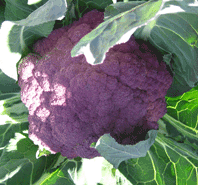
- Winter is the time when the old saying 'an ounce of prevention is worth a pound of cure' certainly applies. Give your garden a good cleanup; collect fallen fruit, rake leaves and collect weeds for compost, clean out old piles of wood or wire (don't forget to wear your gumboots and garden gloves). Reducing over-wintering sites for pests and diseases in this way will have benefits later.
- Deciduous fruit trees should be pruned.
- Cut the old stems of asparagus down; top-dress with well-rotted manure or compost and mulch.
- Cut back and transplant deciduous trees and shrubs.
- Spray stone fruit for peach leaf curl (lumpy pinkish blisters), shot hole (gumming of fruit buds), rust, brown rot and freckle at early bud swell with Lime Sulphur. Collect mummified fruit.
- Check under cabbage and broccoli leaves for the small yellow eggs of white cabbage butterfly. Rubbing the eggs off with your fingers works but is only for the Zen-minded. Spray with Dipel to protect young seedlings or cover young vulnerable seedlings with a Vege Net.
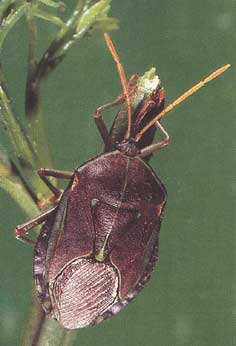
- In late winter check citrus trees for any sign of bronze orange bug, spray with Pyrethrum. These bugs can squirt an extremely caustic solution so wear protective gear, especially for the eyes.
- Gall wasps attack citrus trees and cause swellings in the stems. Prune out any affected wood and burn, if possible.
- Watch for aphids on soft shoots of citrus and roses, check for beneficial insects such as hoverflies and ladybeetle larvae before controlling them. If some of the aphids look like little brown balloons, they have been parasitised by a micro-wasp. Spray Natrasoap potassium soap spray as a least toxic control in the absence of predators.
- After rose pruning, spray with Eco-Fungicide or Lime Sulphur to control two-spotted mite and powdery mildew.
- Plant a green manure for soil diseases such as nematode and fungal root rot in beds that have had problems over the summer. A good choice is BQ Mulch seed mix.
- Control scale by spraying with Eco-Oil. Apply horticultural glue to the tree trunk of affected trees.
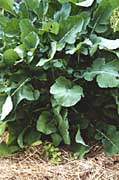
- After all danger of frost has passed, prune passionfruit vines of unwanted growth, mulch and water well. Prune the passion fruit by cutting all laterals (shoots coming from the main stem) back to two buds.
- Control scale by spraying with Eco-Oil, band trees with horticultural glue or sticky barriers to stop ants.
- Top up the mulch around fruit trees.
Fruit Tree Pruning and Maintenance
Traditionally deciduous fruit trees (pear, apple etc) were pruned during winter. Early summer pruning has become common and has improved benefits for training young trees as it allows for smaller cuts with less stress to the tree. This is only commonsense, if you allow an undesirable branch to grow all summer, cutting it off in winter will mean a much greater wound for the tree to heal. Summer pruning can often be done just by 'rubbing off' an unwanted bud with your fingers. Always avoid pruning on rainy days, as dry weather aids in healing the cuts.
Winter is still a good time to do fruit tree maintenance, such as removing deadwood or crossing branches. Begin by preparing your tools, sharpening secateurs and loppers and apply linseed oil to any wooden handles. The correct tools make the job easier, the basics you need are: secateurs for small, precise cuts, loppers for removing suckers, especially thorny ones and a good quality pruning saw for the bigger branches.
The only really safe ladder for outside work is a 3-legged orchard ladder, with foot pegs that push into the ground. Safer still is keeping fruit trees pruned low, as the fruit will be within easy reach for foliar feeding and harvesting and there is less risk of a fall. Remember your aim in pruning in a home garden is different to that of a commercial grower. It is essential you keep the tree small and manageable, so it can be covered easily to protect the fruit from birds, bats and possums; and in many areas, from fruit fly.
How To Begin
- Step back from the tree and try to see the main branch structure that you need to develop. It is a good idea if you are new to pruning to make a habit of regularly stepping back as you work, to see the tree as a whole. Your aim is primarily thinning the branch structure rather than just shortening every branch.
- Begin by removing all dead or damaged wood, as well as suckers from below the graft. Clear away soil around the suckers and cut as low as possible to prevent a re-appearance.
- Next remove branches growing towards the centre of the tree. These are generally not fruitful and tend to harbour pests and disease. Over-crowding also prevents entry to the centre of the tree by insect eating birds. Always remove branches that are rubbing together. Step back and take another look.
- Aim to prune out narrow-angled branch crotches, as these harbour pests such as borers and can break under the weight of fruit; a 60° angle where any branch joins the main trunk is best.
- Shorten back last season's growth; my general rule is 'if I can't reach it, I cut it off'. Tall fruit trees usually just end up feeding the birds. Most fruit trees can be kept under 3 m in height.
- Finish up by removing loose bark with a wire brush; this will help destroy over-wintering two-spotted mite and codling moth grubs. Check for borer damage, particularly in citrus shoots. The first sign you notice may be a shoot wilting. Bend the shoot gently, it will bend at the point that the borer is hiding. Cut the shoot at this point and find the borer and destroy it. A narrow piece of wire is useful for pushing down borer holes to kill borer. Check the crotches of stone fruits for Fruit Tree Moth Borer larvae hiding in sawdust.
Winter Citrus Care
Take the following steps to keep your trees in top condition:- Citrus trees are very hungry feeders with high requirements for trace elements; a regular spray with a seaweed fertiliser such as Natrakelp will supply this. Fertilise citrus trees in April / May and remember to water well after fertilising. Spread the fertiliser as evenly as possible to just past the drip-line of the tree. Compost or animal manures can be used starting with about 4 kg for a 1-year-old tree to 20 kg for a mature 8-year-old tree. Blood and bone contains mainly nitrogen and phosphorus, boost it into a more 'complete' fertiliser by adding a ¼ cup of sulphate of potash to every kilo of blood and bone.
- Remember to regularly water from flower formation through to fruit set to retain a good crop.
- Prune in June or July before the spring bud burst in frost-free areas. In frost-affected areas delay pruning until after the last frost. Remove dead or damaged branches, branches growing inwards and very low branches to improve air circulation. After pruning, the lower edge of the canopy should be 60 cm clear of the ground. Always remove shoots from below the graft as soon as possible, as they steal vigour from the tree and if left too long, leave large wounds for disease to enter when they are cut.
- Gall wasps attack citrus trees and cause swellings in the stems; prune and burn galls before September.
- If citrus fruit had fruit fly damage the previous year then regular use of the organically approved fruit fly traps is needed.
Recipes for an Abundant Harvest of Lemons or Limes
Citrus are easily the most commonly grown fruit tree in Australian backyards, probably because they simply can't
be beaten for usefulness and ornamental appearance. Every garden should have at least one citrus tree, for the
fragrance of the blossoms alone. There is a cultivar of citrus for every climate zone; in warmer areas Tahitian
limes are a better choice than lemons if there is only room for one tree. A lime tree would always be my first
choice of a fruit tree to plant.Lime trees are smaller than other citrus trees, crop over a longer period, are seedless and less thorny than lemons and the fruit can be used in a similar way. Of the lemons 'Eureka' is a good choice for the home garden, it is thornless, has few seeds, is ever-bearing and less prone to fruit fly damage than a 'Meyer' or 'Lemonade'.
Once your tree is full size you will have an abundance of fruit to deal with or give away. We preserve our harvest in a variety of ways, probably our favourite being lime/lemon cordial for refreshing summer drinks and lime/lemon butter for toast and pancakes. All the following recipes use lemons or limes interchangeably.
Basic Instructions
- Have more clean, dry jars and bottles on hand than you think you will need.
- Always use heavy-based, stainless steel saucepans for your preserving.
- Organic white sugar dissolves much faster than raw sugar, with only a tiny difference in nutritional value, so we generally use white sugar, particularly for preserves like lemon/lime butter.
- Sugar, vinegar or salt are the main traditional preservatives; reducing the quantity within a recipe of any of them may greatly affect the keeping qualities of the finished product.
- Never fill a pot more than 2/3 full (half full for jam or marmalade) as during the cooking process the fruit mixture will froth up and can easily boil over, making a big clean-up job.
- Always bottle jam immediately into a hot, oven-heated jar (do not heat the lids!) and screw the lid down tightly.
- Label with the name and the date and store in a cool place.
- 2.5 kg sugar
- 2 litres of water
- 3 litres of lemon/lime juice
- 25g citric acid (optional)
- thinly sliced rind (optional)
Tangy Lime Marmalade
This is a tart version of marmalade, if you prefer your marmalade quite sweet, increase the sugar to 2kg.
- 1 kg limes
- 1 ½ litres water
- 1 ½ kg sugar
Moroccan Preserved Lemons / Limes
- 20 lemons / limes
- 1 cup of coarse sea salt
- extra lemon / lime juice
One or two pieces of preserved chopped fruit stirred into yogurt makes a great sauce for fish or lamb. Added to a beef, lamb or chicken casserole it gives a great flavour. Do not add extra salt to a dish without checking for taste, as the brined fruit adds saltiness.
Great range of food preserving books
Eating Out of Your Garden - Urban Permaculture
Permaculture is a design system for creating sustainable human environments. It differs from landscape design in that the main aim is functional rather than ornamental. It aims to create gardens that are ecologically sound and economically viable, which do not exploit or pollute, and are therefore sustainable in the long term.
Permaculture uses the inherent qualities of plants and animals combined with the natural characteristics of landscapes to produce a life-supporting system, a 'human ecology' for city and country. One of its most basic aims is growing food.
Advantages
- The health benefits attached to growing some of your own food include the food being fresher with a higher vitamin content, and free from chemical residues.
- The environment benefits as you are reducing the energy cost of food transportation.
- You get more for your effort, as edibles use the same watering, fertilising and weeding as many ornamentals.
- Many edible plants are very decorative e.g. Ceylon Hill Cherry.
- Best of all are the taste benefits and the opportunity to try unusual varieties. There are 10,000 edible plants in the world; the diet of most Australians consists of only 20 basic ones.
Growing food in a permaculture garden uses inputs, wherever possible, from biological sources. This means we use less fertiliser and instead make compost, grow nitrogen-fixing plants and use deep-rooted nutrient cyclers, such as comfrey, to reclaim minerals from deep levels in the soil. Animals such as chooks and guinea pigs are used for weed and insect control. Native birds and frogs are encouraged by providing habitat. Plants such as dill, lucerne, coriander or Good Bug Mix are grown to feed beneficial insects and improve biological control. More information on design for pest balance.
The potential for using biological inputs is enormous and is the key to creating a permaculture garden.
Useful Strategies
Vegetables that are ornamental can be planted in flower beds or shrub borders, saving space in the vege garden. Perennials are particularly useful e.g. Chilli, Elephant Garlic, Brazilian Spinach, Galangal, Ginger, Globe Artichoke, Jerusalem Artichoke, New Zealand Spinach, Scarlet Runner Bean, Tahitian Spinach syn. Taro, Turmeric, Winged Bean.
Vine Crops
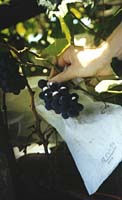
Vines can be used to create privacy or for shade:- Grapes need excellent air circulation to reduce mildew problems, good varieties are Pink Iona, Carolina Black Rose and Marroo Seedless.
- Kiwifruit needs a cooler, wind sheltered, east facing site, 'Dexter' is a good choice, you will need a male and female plant.
- Passionfruit comes in a range of varieties, a personal favourite is Panama Gold.
- Pitaya (Dragonfruit) is a climbing cactus that has gorgeous flowers and delicious, edible fruit.
- Choko, probably the most under-valued vegetable in Australia; it can be used to quickly give shade over a pergola, eaten small e.g. egg size, the taste is far better than zucchini.
- Luffa and New Guinea Bean are annual vines that are easy to grow.
The trees listed below are suitable for SE Queensland and northern NSW but many will do well in other areas. Here is an article on Fruit Trees for Small Gardens.
Fruit trees and shrubs can be planted in any part of the garden, select plants to be attractive, hardy and
pest resistant:- Barbados Cherry Malpighia glabra
- Bay Laurel Laurus nobilis, can be planted in a pot
- Blueberry Vaccinium spp., particularly tetraploid types such as 'Gulf Coast'
- Citrus Citrus spp., every garden should have a lemon tree, 'Eureka' is a good variety, less prone to fruit fly damage than 'Meyer' or 'Lemonade'. Information On Organic Citrus Care.
- Coffee Coffea arabica, very fragrant flowers but a lot of work to achieve a cup of coffee.
- Grumichama Eugenia brasiliensis very attractive tree with fruit similar to a cherry.
- Jaboticaba Myrciaria cauliflora excellent tree for SE Queensland, similar to a large black grape, no fruit fly or bird problems usually.
- Japanese Raisin Tree Hovenia dulcis
- Malabar Chestnut Pachira aquatica small nut tree to 7m
- Tea Camellia sinensis
- Strawberry Guava Psidium cattleianum, useful shrub to use as a screen
- Mulberry Morus spp. 'Shatoot' is a particularly good mulberry for small gardens as the fruit are cream coloured and won't stain clothes
- Tamarillo Cyphomandra betacea
Waterplants
Waterplants are easy to grow, ornamental and provide gourmet food e.g. Arrowhead, waterchestnuts, Sacred Lotus.
58% of humus is carbon so as we build a healthy, fertile, biologically active soil we are also storing carbon. When green waste, lawn clippings, food scraps etc are thrown out with the rubbish and taken to landfill, it doesn't usually decompose to form compost but instead becomes a rotting mess that gives off methane, a greenhouse gas.
Healthy organic soils offer many benefits to the gardener including increased root development and improved soil aeration, moisture and nutrient retention. They stay warmer in winter due to the heat given off by the abundant living organisms found in organic matter. These soils also have a 'disease suppressive' effect. Plant diseases that may be common in stressed, low humus, conventionally farmed soils are often absent in organic soils. The amazing array of living organisms that reside in a healthy organic soil are responsible for the 'disease suppression effect'.
Soil microbial life includes fungi, bacteria, actinomycetes, predatory nematodes, mites, algae and amoeba. These mainly reside in the top 10 cm of soil. It is not unusual for a healthy soil, high in organic matter, to contain up to 2 tonnes live weight of bacteria per hectare. Even a gram of soil (1/5 of a tsp) can contain 1000 million bacteria, 1 million actinomycetes and 100,000 fungi with hyphae up to 5m long.
This abundant life is responsible for processing any raw organic material into humus and releasing nutrients from rock minerals. Fungi and micro-algae help the soil particles to clump together which improves the soil structure and increases the 'space' in the soil. Space is where the action is, without the all-important space there is nowhere for plant roots, soil life, air or water to occupy. Good soil can feel 'spongy' to walk on and contain up to 50% space. Soil without space is compacted and lifeless. Without the 'glue' produced by the micro-organisms the soil loses structure and becomes 'dust' able to be lifted by the wind into a dust storm.
Home
Green Harvest Organic Gardening Supplies is permanently closed as of 5pm on 1-11-2023.
We will not be taking orders by this website, in person, by phone or email. Our display garden and retail shop are closed forever.
Read more...
Phone:07 54357000
Phone calls will only be responded to sporadically and only in reference to orders placed prior to 2-11-2023. All the useful growing and organic pest management research and resources are available on this website for a while still.
No liability will be accepted by Green Harvest, its owners or employees as to the accuracy of any information. No responsibility will be taken for damage to property or persons due to information given about a product or technique. No responsibility will be taken for the loss of a crop or income due to information given about a product or technique.
 Shopping here is private and secure.
Copyright © 2001 - 2024 Green Harvest Organic Gardening Supplies
No part of this website may be reproduced without permission of the owner