| Organic Seeds | Edible Plants | Organic Pest Controls | Books | Tools, Propagation & Fertilisers | Sprouting & Microgreens | Poultry Supplies | Specials & Gift Ideas |

Top

We will send an email to this address*
when is next available
* we will use this email address only for this notification and then we will delete it.
 Home
Home
Green Harvest Organic Gardening Supplies is permanently closed as of 5pm on 1-11-2023.
We will not be taking orders by this website, in person, by phone or email. Our display garden and retail shop are closed forever.
Read more...
Phone:07 54357000
Phone calls will only be responded to sporadically and only in reference to orders placed prior to 2-11-2023. All the useful growing and organic pest management research and resources are available on this website for a while still.
Summer Green Notes © Frances Michaels
Summer is not a favourite time of year for gardeners in very hot or humid areas. Pests and weeds can spread in the blink of an eye, transplanting is difficult and plants can easily suffer moisture stress. Gardeners can suffer heat stress too, and we all know how important it is to avoid potential skin cancer problems. Gardening unfortunately is a high risk hobby or profession in the summer, as only 20 minutes in the sun can be too much. So the window of opportunity to be outside can be a very short period at each end of the day.
One alternative to consider is to reverse what gardeners have always done in winter in very cold areas and that is to put the garden to 'bed' for the season. To do this you would water deeply (if at all possible) in late spring and then heavily mulch the garden and plan to leave it alone until the weather cools down. You can take advantage of overcast days or summer storms to do a bit of weeding. It takes a bit of discipline to avoid buying new seedlings or plants but it has many advantages.
Gardeners in warm areas areas can suffer from burn-out as there is no downtime of year in the garden. Gardeners in cold areas can sit by the fire and browse seed catalogues and look forward with enthusiasm to getting into the garden in spring (this probably sounds a bit rose-coloured glasses). For gardeners in warm areas winter and spring are a major gardening times so by the time summer arrives with its fruit fly and fungal problems, a break can be just what is needed.
Eating not just the main harvest but also less familiar parts of an edible plant extends the season and gives us a better return for our effort. In the 'wet season' it may provide us with food when the more traditional European-style vegetables give up the ghost in response to heat and humidity and collapse.
Tender Shoots And Leaves
A mixed basket of freshly harvested steamed greens gives a nutritious boost to any meal. Harvest the tender young leaves of pumpkin and sweet potato. The rule is if it will snap off easily rather than bend it is tender. If the lettuce is starting to bolt, add it to the steamed greens. The leaves of beetroot are tasty and tender when steamed.
Choko - The Most Unappreciated Vegetable In Australia
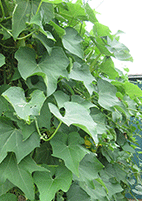 Chokos are commonly regarded as a boring vegetable; this mainly stems from ignorance about the correct time to
harvest. We don't expect a full size zucchini to have any flavour but for some reason we imagine that a full size
choko should be tasty. Start your harvest early by steaming the tender shoots and young leaves. Then pick the small,
egg-sized chokos; these are simply delicious, with more flavour than most zucchinis. Steam them whole without
peeling, chokos this size can be eaten raw, just like a cucumber. A visitor from Mexico was horrified that we would
even consider eating the bigger ones; apparently in Mexico they simply split them open to remove the nutritious and
tasty seeds and feed the rest to the cows. I found it pretty funny that I had wasted my time for years removing the
seed and throwing it away! Chokos are native to the subtropics, perennial, very hardy, pest and disease free and so
abundant. Compared to a zucchini, which is native to the Mediterranean and very vulnerable to powdery mildew, there
is no contest about which one to grow if you live in warmer areas. To plant a choko, all you need is a mature fruit
from a kind neighbour or simply buy one from a fruit and vege shop. Keep it in the pantry until it sprouts and then
dig a hole 12 cm deep. lay the choko on its side and cover with soil.
Chokos are commonly regarded as a boring vegetable; this mainly stems from ignorance about the correct time to
harvest. We don't expect a full size zucchini to have any flavour but for some reason we imagine that a full size
choko should be tasty. Start your harvest early by steaming the tender shoots and young leaves. Then pick the small,
egg-sized chokos; these are simply delicious, with more flavour than most zucchinis. Steam them whole without
peeling, chokos this size can be eaten raw, just like a cucumber. A visitor from Mexico was horrified that we would
even consider eating the bigger ones; apparently in Mexico they simply split them open to remove the nutritious and
tasty seeds and feed the rest to the cows. I found it pretty funny that I had wasted my time for years removing the
seed and throwing it away! Chokos are native to the subtropics, perennial, very hardy, pest and disease free and so
abundant. Compared to a zucchini, which is native to the Mediterranean and very vulnerable to powdery mildew, there
is no contest about which one to grow if you live in warmer areas. To plant a choko, all you need is a mature fruit
from a kind neighbour or simply buy one from a fruit and vege shop. Keep it in the pantry until it sprouts and then
dig a hole 12 cm deep. lay the choko on its side and cover with soil.
Banana Bud And Stem
The flower bud or 'bell' of a banana is widely used as a vegetable throughout South East Asia. Certain varieties, such as plantain banana, produce a better flavoured bud but they are all edible. Pull the outer leaf sheathes off together with the blossoms until the pinkish-white heart is revealed. Use an oiled knife to cut the bud lengthwise into four. Pulling the hard centre from each stamen is fiddly but worth the effort. The bud is then chopped and blanched. It can be used in a salad, with a coconut milk dressing or a vinaigrette or cooked in soup. The flavour is reminiscent of artichoke. In Indonesia I have eaten the chopped inside of banana stem in soup; it has a texture similar to celery. To prepare, the outer layers of the stem or trunk are discarded, the tender heart is sliced and soaked in a basin of salted water for several hours. This procedure draws the sap into strands which can easily be pulled away and discarded.
Pawpaw (Papaya)
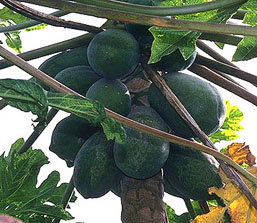 When eating ripe pawpaw, save the seeds and add to soups as a spice. Using green pawpaw fruit extends your harvest;
it can be used in salad, fritters, soup or baked as you would pumpkin. To make a pawpaw salad the pawpaw should be
green skinned, the flesh should be almost white with no trace of orange colour.
When eating ripe pawpaw, save the seeds and add to soups as a spice. Using green pawpaw fruit extends your harvest;
it can be used in salad, fritters, soup or baked as you would pumpkin. To make a pawpaw salad the pawpaw should be
green skinned, the flesh should be almost white with no trace of orange colour.
Green Pawpaw Salad
Zucchini Flowers
Zucchinis produce both male and female flowers so it makes good sense to eat the male flowers, as they won't produce a fruit anyway. The female flowers can be distinguished by the swelling of the fruit behind the flower whereas the male flower will only have a thin stalk with no swelling. Wash the flowers, dry carefully and check for insects. The flowers can be dipped in a light batter or just fried in olive oil as they are. They can also be filled before frying with a little grated cheese, a savoury rice mixture or a zucchini puree. The oil can be flavoured with garlic by first frying several cloves in it, removing the cloves and then cooking the flowers.
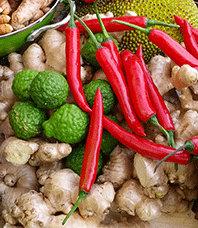 There's nothing like the flavour and 'oomph' that fresh chillies can add to your cooking, whether it's Thai, Mexican,
Indian or just a few slivers on a pizza. This versatile fruit lends itself to spicy sauces, piquant pickles and can be
dried and ground into chilli powder. Chillies are hardy and easy to grow; they are happy raised in containers and as
potted plants, adding beautiful splashes of vibrant colour to your house, balcony or garden.
There's nothing like the flavour and 'oomph' that fresh chillies can add to your cooking, whether it's Thai, Mexican,
Indian or just a few slivers on a pizza. This versatile fruit lends itself to spicy sauces, piquant pickles and can be
dried and ground into chilli powder. Chillies are hardy and easy to grow; they are happy raised in containers and as
potted plants, adding beautiful splashes of vibrant colour to your house, balcony or garden.
Chillies are warm season, frost tender plants in the family Solanaceae - cousins to potatoes, tomatoes and eggplants. The plants grow as annuals in temperate areas and perennials in the tropics and subtropics; some varieties grow over one metre tall. Chilli plants prefer a slightly acid (pH 5 - 6), well-drained soil and the seeds germinate best at 20 - 30°C soil temperature.
A boost of potassium (such as Backyard Blooms) will encourage flowering and fruiting; avoid high nitrogen fertilisers which promote leafy growth at the expense of fruit. Your chillies should be ready to harvest in about ten weeks - picking the chillies regularly encourages more flowers and fruit.
The heat in chillies comes from capsaicin, a compound said to aid digestion and increase the production of endorphins - the body's natural opiates or pain-relievers. In chillies, capsaicin is concentrated in the membranous tissue surrounding the seeds - so removing this with the seeds reduces the heat from the chilli considerably.
Be careful when preparing or cooking with chillies - they can be extremely irritating to the skin and eyes.
How hot is that chilli?
The Scoville scale is a measure of the 'hotness' of a chilli pepper or anything made from chilli peppers, i.e. Tabasco sauce (2,500 - 5,000 Scoville). The scale is named after Wilbur Scoville who developed the test in 1912. Spicy 'Cayenne' chillies rate 30,000 to 50,000; the milder 'Jalapeno' comes in at 5,000 and at the heavyweight end of the scale, 'Habanero' is rated at 200,000 to 300,000 on the Scoville scale. Handle with care!
Chilli Pickle
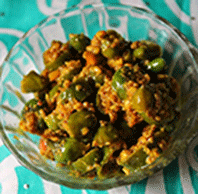 This pickle can be made with a variety of chillies and can be hot enough to satisfy the most ardent chilli fan!
Rainfall patterns and temperature determine the types of activities a gardener can carry out. For some parts of Australia this is the beginning of the rainy season, for other areas it is hot and dry.
November
It is not only the gardeners that suffer in the heat, vegetables do as well. Lettuces bolt to seed, tomatoes get sunburnt, everything wilts. In hot areas build a structure that will provide shade to part of the vege garden. Structures can range from easily constructed polypipe arches to shadehouses made of PVC irrigation pipe. Covers such as Vege Net are available and have the added advantage of excluding fruit fly:
As the days warm up, it becomes more difficult to transplant seedlings successfully, particularly tender ones, like lettuce. Ways to reduce transplant shock include:
 Although weeds are a serious nuisance to us gardeners, it is worth remembering that they are also communicating
information about your soil conditions. As a rough guide:
Although weeds are a serious nuisance to us gardeners, it is worth remembering that they are also communicating
information about your soil conditions. As a rough guide:
Weeds also have an important role to play in protecting the soil. If you look at a paddock full of Scotch thistle you can either see a weed problem or thank nature for trying to fix the overgrazed, compacted soil. Scotch thistle has large, thick roots able to break through the compacted soil and start to repair the problem.
Sometimes weeds are growing because nothing else can and without the weeds the soil would wash or blow away. Weeds by their nature often have strong, deep-mining roots that reach nutrients deep down in the soil. Over time these nutrients are returned to the surface by the annual process of growth and decay of weeds.
Weeds are always present but mainly become a nuisance when conditions allow them to become invasive. There are, of course, many exceptions to this where the weed species is just really invasive and needs serious measures to control it.
Effective Control of Weeds
 If time is too short for weeding, at least try to prevent seeding by cutting off the seedheads, brushcutting or
slashing. Weed seeds last for many years in the soil so this reduces the future problem.
If time is too short for weeding, at least try to prevent seeding by cutting off the seedheads, brushcutting or
slashing. Weed seeds last for many years in the soil so this reduces the future problem.
 Uses of Weeds
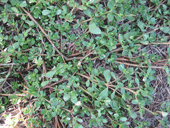 It is a common sight in many countries to see people out in the countryside harvesting fresh greens. These fresh,
tasty greens are often present in Australian gardens where they are simply regarded as nuisance weeds. If you
decide to try this make sure you select plants well away from busy roads and in areas you feel confident have not
been sprayed with herbicides. These so-called weeds are often much higher in vitamins and minerals than common
vegetables such as lettuce or silverbeet.
It is a common sight in many countries to see people out in the countryside harvesting fresh greens. These fresh,
tasty greens are often present in Australian gardens where they are simply regarded as nuisance weeds. If you
decide to try this make sure you select plants well away from busy roads and in areas you feel confident have not
been sprayed with herbicides. These so-called weeds are often much higher in vitamins and minerals than common
vegetables such as lettuce or silverbeet.
Act now to prevent the summer invasion of cockroaches, flies, fleas, silverfish and clothes moths!
It is helpful to store food and compost in airtight containers, sweep floors regularly, store rubbish in well-sealed bins, fix leaking taps and use a caulking gun to fill cracks and crevices.
 Flies are a warm weather problem and have a nasty habit of spreading germs including
salmonella and gastroenteritis onto food and food preparation surfaces:
Flies are a warm weather problem and have a nasty habit of spreading germs including
salmonella and gastroenteritis onto food and food preparation surfaces:
Silverfish can cause significant damage in the home, eating precious books, paper, clothing, cereal and more in their search for carbohydrate and protein. Using Buzz Household Pest Traps is a simple way to control silverfish without pesticides. To silverfish and spiders, the trap looks like a good hiding place and smells like a meal. Place traps in wardrobes, around bookshelves or wherever silverfish have been seen. Replace after 12 weeks or when the trap is full.
If spiders in the house pose a biting risk, this trap provides an effective control for them too. Place traps around the walls and under furniture to catch spiders where they hunt for food.
Planting a long-lived fruit tree is an investment in the future; it will benefit your children and even your grandchildren, sometimes though it can be a waste of money, time and effort. Avoid trees with hard, compressed potting mix that has no give in it, it has been in the pot too long and is packed full of roots. If possible slide the plant partly out of its container, to see if the roots are circling the outside and clearly visible. If so, it is root bound and should be avoided. Cutting of the root-bound roots before planting rarely solves the problem. These are trees that will disappoint you by just sitting there, making little growth.
 Grafted trees generally give better quality fruit than seedlings, choose a tree with a well-healed graft union,
with no sign of decay at the graft area. Avoid trees that are sprouting below the graft or suckering from the
roots. Try to buy your trees from a nursery that has a high turnover of stock and that specialises in fruit
trees.
Grafted trees generally give better quality fruit than seedlings, choose a tree with a well-healed graft union,
with no sign of decay at the graft area. Avoid trees that are sprouting below the graft or suckering from the
roots. Try to buy your trees from a nursery that has a high turnover of stock and that specialises in fruit
trees.
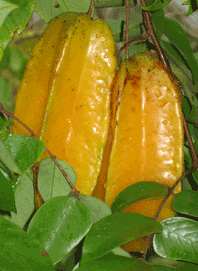
Species selection is important, avoid frost tender species if your area regularly receives frost, these include Jakfruit, Abiu, Pummelo, Rambutan (grow in tropics only), Panama Cherry, Lychee, Mangosteen (grow in tropics only), Sapodilla and some Lillypillies. Some fruit trees will survive frost once they are a few years old. These need either luck i.e. a couple of warm winters in a row or good frost protection for those critical early years. Good varieties for South East QLD are listed in brackets, where known. These include Avocado, Custard Apple, Mango, Macadamia, Ice Cream Bean, Carambola '5 Corner Fruit' (Fwang Tung, 11.1, B111, Thai Knient), Tamarind, Bananas and Pawpaws. Fruit trees that generally are hardy and will do well with adequate soil improvement and irrigation include Citrus, Guava, Persimmon (Fuyu), Tropical Apples (Anna, Golden Dorset) and Pears, Nashi Pears, White Sapote (Dade), Longan (only late varieties will set fruit in South East QLD, these include Biew Kiew, Haew, and Chompoo), Acerola, Jaboticaba, Grumichama, Malabar Chestnut, Pecan, Peach, Nectarine, Kiwifruit, Loquat, Blueberry (Gulf Coast) and Passionfruit. Trees that are tough, drought tolerant and frost hardy include Japanese Raisin, Carob, Olive, Stone Pine, Bunya, Strawberry Guava, Mulberry, and Pomegranate.
An extended article on Fruit Trees for Small Gardens is available.
Challenges to growing organic fruit include fruit fly and problems with birds, bats and possums. Unless you are a well-organised gardener, willing to spend a lot of time with control measures for fruit fly, such as trapping, spraying and exclusion avoid planting the following fruit trees: the most fruit fly-prone are Peaches, Nectarines, followed by Guavas, Persimmons, Carambolas, Casimiroas and Mangoes. Fruit fly will also sting Lemonade and Meyer lemons, but leave the thicker-skinned lemons such as Eureka and Lisbon alone.
More information on Organic Citrus Care.
 Vegetables
Non-hearting lettuce (oak leaf, salad bowl, cos types) are more heat tolerant than crisphead types (Great Lakes), try putting the lettuce seed in the fridge for a few days before planting; snake beans, French beans (but may be affected by Bean fly), beetroot (pre-soak the seeds) okra, eggplant, capsicum and chillies, cherry tomatoes, all the squash family including gourds, pumpkin, rock melon, watermelon, cucumber, zucchini or angled luffa as a mildew-resistant substitute, sweet corn (remember to plant corn in a block at least 8 plants by 8 plants, corn planted in a long narrow row usually fails to pollinate well, giving half empty cobs); heat-tolerant greens including Ceylon spinach, kangkong, Brazilian spinach, mushroom plant and Egyptian spinach, sweet potatoes. In cooler areas it is time to start sowing winter brassicas.
 Shrubs and Trees
Tropical trees need a high soil temperature to germinate. Plant now: tamarillo, paw paw, pigeon pea, agati, tamarind and passionfruit.
Flowers and Herbs
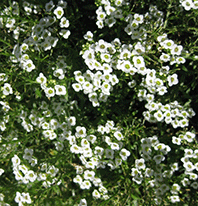
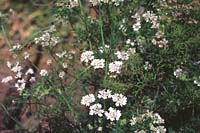
Aster, basil, borage, catnip, cleome, coriander, cosmos, dahlia, dill, garlic chives, gomphrena, lemon balm, marigolds, Mexican coriander, nasturtiums, phlox, portulaca, salvia, snapdragons, statice, sunflowers. sweet alice, torenia, verbena, zinnia.
Browse the organic seed shop
The persistent high rainfall experienced by gardeners in many parts of the country presents its own set of challenges. Very wet weather in the garden may lead to plants collapsing and dying, failure of seeds to germinate, fungal and bacterial disease and soil losing both structure and fertility. There are strategies which will help you and your garden survive these extremes, including understanding the properties of waterlogged soil and recognising the role of mulch and fungi in building a disease-resistant, biologically active soil.
Understanding waterlogged soil
Keep off the soil, it needs to breathe!
Plants breathe through their roots and their growth is limited by the amount of air that soil holds. Soil air exists in the spaces between soil particles; the very best soils have up to 50% space and will feel spongy to walk on, like an old-growth forest. The arrangement of the soil particles to the soil space defines the soil structure. Improve soil aeration by adding gypsum (2 handfuls per m2), organic matter and mulch. These all work to 'create' space in the soil.
Water sitting around plant roots can quickly cause plant death, even within 24 hours. Plants literally suffocate because when all the space in the soil is filled with water there is no air for the plants to breathe. With trees it may take many months before it is obvious the tree has died due to this waterlogging. Strategies that help water drain away faster include raised beds, mounds or agricultural drains.
What is a biologically active soil?
Soil is alive - or should be. In a healthy organic farm the microbial life including fungi, bacteria and actinomycetes in the top 10 cm of soil, can contain 2 tonnes live weight of microorganisms per hectare. This abundant life is responsible for processing any raw, organic material into humus and releasing nutrients from rock minerals. Fungi and micro-algae help the soil particles to clump together which improves the soil structure and increases the 'space' in the soil.
Plant diseases that are common in stressed, low humus, conventionally farmed soils are often absent in organic soils. Predatory fungi that control disease-causing fungi like phytophthora are vitally important to help keep vulnerable trees such as avocadoes and macadamias alive in very wet weather. The amazing array of living organisms that reside in healthy organic soil are responsible for the 'disease suppression effect' found in organic vineyards, orchards and farms.
To encourage the soil life, we should provide 'bed and board'; food, water, air and somewhere to live. Food for soil life is organic matter and can be provided as: compost, mulch, green manure and organic fertiliser.
 Space is where the action is
Without the all-important space there is nowhere for soil life, plant roots, air or water to occupy. Soil without space is compacted and lifeless. Without the 'glue' produced by the micro-organisms, the soil will lose structure and become 'dust', able to be lifted by the wind into a dust storm.
Bacteria are primary decomposers, they have first helping of the compost heap, their large numbers cause the heat that is given off. Fungi are secondary decomposers, they come along after the bacteria and break down the woodier residues. They are a vital part of a healthy soil. This is where you need to bring to mind an image of the rainforest floor and what is covering it: the fallen logs and branches and decaying leaves. It is this carpet of decaying organic matter that provides 'bed and board' to soil life. We can imitate this in our gardens with mulch.
Grow your own mulch
Mulch protects the soil from heavy rain and prevents erosion and compaction; it keeps the soil surface open to allow air to filter in and provides protection and food for micro and macro organisms like earthworms. Choose the type of mulch for the particular area of garden. Under fruit trees is an ideal place for large branches and bark mulches; these will feed the predatory fungi that keep the trees healthy and also provide a habitat for important pest predators like lizards, ground beetles, centipedes and small insect-eating birds. In a vegetable garden straw mulch, a slashed green manure or 'soft' leafy mulches like cut arrowroot are a better choice.
Summer is not a favourite time of year for gardeners in very hot or humid areas. Pests and weeds can spread in the blink of an eye, transplanting is difficult and plants can easily suffer moisture stress. Gardeners can suffer heat stress too, and we all know how important it is to avoid potential skin cancer problems. Gardening unfortunately is a high risk hobby or profession in the summer, as only 20 minutes in the sun can be too much. So the window of opportunity to be outside can be a very short period at each end of the day.
One alternative to consider is to reverse what gardeners have always done in winter in very cold areas and that is to put the garden to 'bed' for the season. To do this you would water deeply (if at all possible) in late spring and then heavily mulch the garden and plan to leave it alone until the weather cools down. You can take advantage of overcast days or summer storms to do a bit of weeding. It takes a bit of discipline to avoid buying new seedlings or plants but it has many advantages.
Gardeners in warm areas areas can suffer from burn-out as there is no downtime of year in the garden. Gardeners in cold areas can sit by the fire and browse seed catalogues and look forward with enthusiasm to getting into the garden in spring (this probably sounds a bit rose-coloured glasses). For gardeners in warm areas winter and spring are a major gardening times so by the time summer arrives with its fruit fly and fungal problems, a break can be just what is needed.
Extending the Harvest
Eating not just the main harvest but also less familiar parts of an edible plant extends the season and gives us a better return for our effort. In the 'wet season' it may provide us with food when the more traditional European-style vegetables give up the ghost in response to heat and humidity and collapse.
Tender Shoots And Leaves
A mixed basket of freshly harvested steamed greens gives a nutritious boost to any meal. Harvest the tender young leaves of pumpkin and sweet potato. The rule is if it will snap off easily rather than bend it is tender. If the lettuce is starting to bolt, add it to the steamed greens. The leaves of beetroot are tasty and tender when steamed.
Choko - The Most Unappreciated Vegetable In Australia
Chokos are commonly regarded as a boring vegetable; this mainly stems from ignorance about the correct time to
harvest. We don't expect a full size zucchini to have any flavour but for some reason we imagine that a full size
choko should be tasty. Start your harvest early by steaming the tender shoots and young leaves. Then pick the small,
egg-sized chokos; these are simply delicious, with more flavour than most zucchinis. Steam them whole without
peeling, chokos this size can be eaten raw, just like a cucumber. A visitor from Mexico was horrified that we would
even consider eating the bigger ones; apparently in Mexico they simply split them open to remove the nutritious and
tasty seeds and feed the rest to the cows. I found it pretty funny that I had wasted my time for years removing the
seed and throwing it away! Chokos are native to the subtropics, perennial, very hardy, pest and disease free and so
abundant. Compared to a zucchini, which is native to the Mediterranean and very vulnerable to powdery mildew, there
is no contest about which one to grow if you live in warmer areas. To plant a choko, all you need is a mature fruit
from a kind neighbour or simply buy one from a fruit and vege shop. Keep it in the pantry until it sprouts and then
dig a hole 12 cm deep. lay the choko on its side and cover with soil.
Banana Bud And Stem
The flower bud or 'bell' of a banana is widely used as a vegetable throughout South East Asia. Certain varieties, such as plantain banana, produce a better flavoured bud but they are all edible. Pull the outer leaf sheathes off together with the blossoms until the pinkish-white heart is revealed. Use an oiled knife to cut the bud lengthwise into four. Pulling the hard centre from each stamen is fiddly but worth the effort. The bud is then chopped and blanched. It can be used in a salad, with a coconut milk dressing or a vinaigrette or cooked in soup. The flavour is reminiscent of artichoke. In Indonesia I have eaten the chopped inside of banana stem in soup; it has a texture similar to celery. To prepare, the outer layers of the stem or trunk are discarded, the tender heart is sliced and soaked in a basin of salted water for several hours. This procedure draws the sap into strands which can easily be pulled away and discarded.
Pawpaw (Papaya)
When eating ripe pawpaw, save the seeds and add to soups as a spice. Using green pawpaw fruit extends your harvest;
it can be used in salad, fritters, soup or baked as you would pumpkin. To make a pawpaw salad the pawpaw should be
green skinned, the flesh should be almost white with no trace of orange colour.
Green Pawpaw Salad
- 2 cups finely grated green pawpaw
- 2 tablespoon crushed roasted peanuts
- 1 clove garlic
- 2 shallots
- fresh chilli to taste
- 1 tablespoon fish sauce
- 1 tablespoon brown sugar
- lime juice to taste
Zucchini Flowers
Zucchinis produce both male and female flowers so it makes good sense to eat the male flowers, as they won't produce a fruit anyway. The female flowers can be distinguished by the swelling of the fruit behind the flower whereas the male flower will only have a thin stalk with no swelling. Wash the flowers, dry carefully and check for insects. The flowers can be dipped in a light batter or just fried in olive oil as they are. They can also be filled before frying with a little grated cheese, a savoury rice mixture or a zucchini puree. The oil can be flavoured with garlic by first frying several cloves in it, removing the cloves and then cooking the flowers.
Summer Citrus Care
- Citrus are hungry feeders and many problems with poor fruit quality can be traced to poor nutrition. The poorer the soil is, the more often organic compost or fertiliser should be applied but the bare minimum is 3 times a year. November and February are both important months for fertilising citrus. A 1 year old tree will need 4 - 8 kg of well-rotted animal manure, a mature tree will need between 20 - 40 kg. A good alternative is to apply half a brick per tree of organically certified Worm Hit Fertiliser. Only apply fertiliser to moist ground then mulch well, keeping the mulch and manure well clear of the trunk, to avoid collar-rot. Never place fertiliser close to the trunk or in heaps; spread it as evenly as possible to just past the drip-line of the tree. Avoid fertilising during drought. During dry weather citrus need a consistent supply of moisture or fruit will be dry.
- Check the pH and correct as required, add 300 - 400 g of lime to the m2 if the soil is acid (ph below 6.0). pH test kits are easy to use and all gardeners should have one. More information on soil pH.
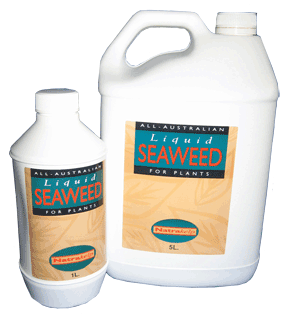
- Citrus trees have a high requirement for micro-nutrients; a regular monthly spray with Natrakelp seaweed fertiliser will supply these trace elements.
- Citrus Leaf Miner causes ugly distorted leaves with silvery trails in the leaf tissue, Meyer lemons are particularly susceptible. Eco-Oil is an organically certified control, spray when new growth is about 1 cm long, reapply every 2 - 3 weeks. January and February are crucial times to spray.
- October and November are when bronze orange bug (Stink bugs) appear on citrus trees. The young ones are small and greenish, the next stage are a bright orange and the adults look like large spiny cockroaches but they all cause damage to your citrus trees by sucking sap. Handpicking and dropping into a bucket of boiling water is possible on all but very large trees. Be very careful to protect your eyes and wear long sleeves to protect your arms, as the caustic fluid squirted by these insects can be very painful. If necessary, spray with Pyrethrum.
Chillies
There's nothing like the flavour and 'oomph' that fresh chillies can add to your cooking, whether it's Thai, Mexican,
Indian or just a few slivers on a pizza. This versatile fruit lends itself to spicy sauces, piquant pickles and can be
dried and ground into chilli powder. Chillies are hardy and easy to grow; they are happy raised in containers and as
potted plants, adding beautiful splashes of vibrant colour to your house, balcony or garden.
Chillies are warm season, frost tender plants in the family Solanaceae - cousins to potatoes, tomatoes and eggplants. The plants grow as annuals in temperate areas and perennials in the tropics and subtropics; some varieties grow over one metre tall. Chilli plants prefer a slightly acid (pH 5 - 6), well-drained soil and the seeds germinate best at 20 - 30°C soil temperature.
A boost of potassium (such as Backyard Blooms) will encourage flowering and fruiting; avoid high nitrogen fertilisers which promote leafy growth at the expense of fruit. Your chillies should be ready to harvest in about ten weeks - picking the chillies regularly encourages more flowers and fruit.
The heat in chillies comes from capsaicin, a compound said to aid digestion and increase the production of endorphins - the body's natural opiates or pain-relievers. In chillies, capsaicin is concentrated in the membranous tissue surrounding the seeds - so removing this with the seeds reduces the heat from the chilli considerably.
Be careful when preparing or cooking with chillies - they can be extremely irritating to the skin and eyes.
How hot is that chilli?
The Scoville scale is a measure of the 'hotness' of a chilli pepper or anything made from chilli peppers, i.e. Tabasco sauce (2,500 - 5,000 Scoville). The scale is named after Wilbur Scoville who developed the test in 1912. Spicy 'Cayenne' chillies rate 30,000 to 50,000; the milder 'Jalapeno' comes in at 5,000 and at the heavyweight end of the scale, 'Habanero' is rated at 200,000 to 300,000 on the Scoville scale. Handle with care!
Chilli Pickle
This pickle can be made with a variety of chillies and can be hot enough to satisfy the most ardent chilli fan!
- 500 g chillies in 2 cm slices
- 1 tablespoon salt
- 1 teaspoon turmeric powder
- 1 cup peanut or sunflower oil
- 2 teaspoons black mustard seeds
- 30 ml white or cider vinegar
- 3 large garlic cloves, finely chopped
- 1 teaspoon fenugreek seeds
- 1 teaspoon black cumin seeds
Garden Calendar
Rainfall patterns and temperature determine the types of activities a gardener can carry out. For some parts of Australia this is the beginning of the rainy season, for other areas it is hot and dry.
November
- Asparagus will be finishing the spring harvest of spears and the bed will now be full of ferny fronds. Keep the plants well-mulched and watered to keep the fronds actively growing as this will feed the crown for the following year. Gardeners in warmer areas often get a second harvest in the wet season.
- Ginger and turmeric should be growing well by now, mulch well and keep moist.
- Fruit fly is more active, traps should be replaced as needed, all susceptible fruit should be bagged. Fruit already stung should be destroyed; fruit that has been stung often bleeds a clear sap, or develops dimples. Only feed it to animals if they will actually eat it. Never try to bury or compost affected fruit.
- Summer prune mulberry for a second fruit crop, cut back new growth by a third.
- Feed, mulch and water passionfruits.
- Plant out fruit trees growing in containers, particularly tropical ones, before Christmas. Remember to keep moist until well established. Remove flowers and fruit from new fruit trees. Protect ripening fruit from birds, possums and fruit bats.
- Codling moth traps and glue bands should be renewed; Nylon pouches should be in place.
- Bronze orange bugs (Stink bugs) appear on citrus trees and cause damage by sucking sap. Handpick carefully, remember to protect your eyes and drop into hot soapy water.
- November is a good month for fertilising citrus. Apply 4 - 8 kg of well - rotted animal manure to a 1 year-old tree, 20 - 40 kg for a mature tree. Only apply fertiliser to moist ground then mulch well, keeping the mulch and manure well clear of the trunk, to avoid collar-rot. Never place fertiliser close to the trunk or in heaps; spread it as evenly as possible to just past the drip-line of the tree.
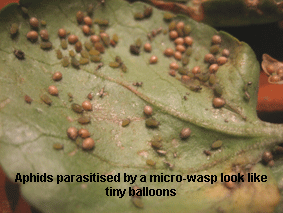
- Watch for aphids on soft shoots of citrus and roses, check for beneficial insects such as hoverflies and ladybeetle larvae before controlling them. If some of the aphids look like little brown balloons, they have been parasitised by a micro-wasp. Spray Natrasoap as a least toxic control in the absence of predators.
- As mangoes finish fruiting, thin out the canopy to improve air circulation and allow sunlight in. Feed with an organic fertiliser, mulch well. Getting mangoes to fruit consistently in South East Queensland and northern NSW can be difficult. Mangoes such as Kensington (Bowen) and Nam Dok are cold sensitive and may fail to form hermaphrodite flowers; instead they flower profusely but the flowers are male and so no fruit is formed.
- Bananas need regular removal of suckers to produce good-sized bunches. Each clump of bananas should be made up of a mature plant, a half-grown plant and one sucker only. Preference in sucker selection should be given to those with spear-shaped rather than round leaves. Fertilise with 1 kg of pelleted fowl manure per m2 in December. Repeat in February, April and August, mulch well. Tidy the plant by removing yellowing, old leaves to reduce fungal problems. When a bunch has fully developed, remove the flower bell. The flower bell drips nectar and attracts possums and bats, it also uses nutrients better saved for the fruit. Banana bags help fruit ripen and keep the birds away.
- Scale are pests that do damage out of all proportion to their size. Mid-summer is common time for scale to hatch and crawlers to emerge. Frenetic ant activity can indicate scale-hatching periods. Spray Natrasoap or Eco Oil to kill all stages of scale insects. Banding trees with horticultural glue to keep ants out is also useful.
- Keep snail traps filled with Eradicate Snail and Slug Bait or beer to reduce damage to young seedlings.
- Summer prune choko vines.
- Mulch, mulch and more mulch to retain precious moisture in the soil. Keep in mind that light straw mulch can be a fire hazard and do not place close to the walls of buildings; consider using pebble mulches instead.
- Maintain fruit fly controls, destroy (don't bury) spoiled fruit.
- Use Natrakelp seaweed as a foliar spray to keep vegetables healthy.
- Keep an eye on citrus for scale problems. The first sign is usually the appearance of Black Sooty Mould, a fungus that feeds on the excretions of scale and aphids; spray with Natrasoap or Eco-Oil. Citrus Leaf Miner causes silvery trails in the leaf tissue, January and February are crucial times to spray; spray with Eco-Oil when new growth is about 1 cm long, reapply every 2 - 3 weeks.
- Help lavender survive the wet season by sprinkling a little lime directly over the foliage and around the roots. Plant only in well-drained spots, such as under eaves, behind rock walls or in terracotta tubs.
- Control caterpillars with Dipel; avoid planting highly susceptible vegetables at this time of year in the subtropics and tropics, such as Chinese cabbage or broccoli. Exclusion nets such as Vege Net when used early will keep the moths out and eliminate the need to spray.
- Train vines regularly, cut back long canes of wisteria and other vigorous climbers. Plant a new passionfruit, as they only last a few years before succumbing to woody passionfruit virus. Keep passionfruit well-watered and feed with blood and bone.
- Prune raspberry, currant and gooseberry bushes.
- Thin apples and pears, especially 'Cox's Orange Pippin' and 'Gravenstein'. Check for codling moth damage. Keep an eye out for Pear and Cherry Slug.
- Summer prune deciduous fruit trees that have finished cropping of any damaged or badly-placed branches.
- Watch apricots for brown rot, remove any effected fruit.
- It can be useful to thin grape foliage if it is getting too dense as it will restrict fruit ripening and increase the risk of fungal disease.
- To keep roses in good condition, avoid overhead watering. Aim to keep the leaves as dry as possible. Spray Natrakelp seaweed spray onto the leaves, in the afternoon, every 2 to 3 weeks. This raises the pH of the leaf surface and adds trace elements, improving disease resistance. Deadhead regularly and remove black spot affected leaves. Water during dry weather in the morning, giving a good soak. In subtropical areas, prune roses hard in January and February, not winter. In temperate areas, do a lighter prune. After pruning, fertilise with blood and bone, mulch well with well-rotted animal manures and hay. More information on Organic Rose Care
Long Hot Summer Days
It is not only the gardeners that suffer in the heat, vegetables do as well. Lettuces bolt to seed, tomatoes get sunburnt, everything wilts. In hot areas build a structure that will provide shade to part of the vege garden. Structures can range from easily constructed polypipe arches to shadehouses made of PVC irrigation pipe. Covers such as Vege Net are available and have the added advantage of excluding fruit fly:
- Try to reduce your water use by mulching. Keep in mind that light straw or hay mulches can be a high fire risk, so avoid using these in fire-prone areas. Bark mulches are less flammable and last longer but are not really suitable for the vegetable garden. Up next to the walls of your house a completely fire retardant mulch such as round pebbles can be a good choice.
- Try to group plants together that have similar water requirements. If water is in short supply, plan to replace thirsty plants with those that will cope with drier conditions.
- Avoid the use of overhead sprinklers as there is a massive water loss to evaporation. Keeping water off the leaves will help to stop fungal diseases exploding in humid weather.
- Organic gardening practices such as composting and green manuring build organic matter levels in the soil, which greatly improves the soil's ability to retain water.
As the days warm up, it becomes more difficult to transplant seedlings successfully, particularly tender ones, like lettuce. Ways to reduce transplant shock include:
- Soak the seedlings for 24 hours prior to transplanting in a weak seaweed solution.
- Water the hole before planting, let the water drain away. Then water the seedling after planting. Spray seedlings morning and evening to keep the area moist and raise the humidity. Many seedlings need watering twice a day for at least a week to help them become established.
- Always transplant late in the afternoon.
- Cover seedlings with upturned pots or shadecloth in the hottest part of the day. Covering seed rows with shadecloth or Vege Net also improves germination.
Seed Storage
The best place to store seed is in a sealed container in your fridge. Seed stored in a hot garden shed or garage that can reach temperatures greater than 40°C in summer will simply die. Seed stored open to the air where it can take up moisture will lose viability.
The best place to store seed is in a sealed container in your fridge. Seed stored in a hot garden shed or garage that can reach temperatures greater than 40°C in summer will simply die. Seed stored open to the air where it can take up moisture will lose viability.
Organic Weed Strategies
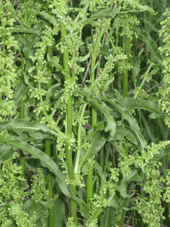
Although weeds are a serious nuisance to us gardeners, it is worth remembering that they are also communicating
information about your soil conditions. As a rough guide:
- Large numbers of flat weeds such as dandelions and cat's ears indicate the soil is compacted.
- The presence of reeds or rushes indicates poor drainage. Docks are associated with wet or acid soils. Checking the pH and adding lime may help with control.
Weeds also have an important role to play in protecting the soil. If you look at a paddock full of Scotch thistle you can either see a weed problem or thank nature for trying to fix the overgrazed, compacted soil. Scotch thistle has large, thick roots able to break through the compacted soil and start to repair the problem.
Sometimes weeds are growing because nothing else can and without the weeds the soil would wash or blow away. Weeds by their nature often have strong, deep-mining roots that reach nutrients deep down in the soil. Over time these nutrients are returned to the surface by the annual process of growth and decay of weeds.
Weeds are always present but mainly become a nuisance when conditions allow them to become invasive. There are, of course, many exceptions to this where the weed species is just really invasive and needs serious measures to control it.
Effective Control of Weeds
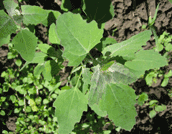
If time is too short for weeding, at least try to prevent seeding by cutting off the seedheads, brushcutting or
slashing. Weed seeds last for many years in the soil so this reduces the future problem.
- By repeatedly mowing or cutting weeds photosynthesis is slowed which reduces the stored carbohydrates in the weed roots. Cultivation may destroy weeds but more weeds will germinate. Try to avoid ever letting a weed go to seed. If you don't have time to pull it out, at least remove the flowering heads before seed is set. It is easier to mulch than to weed, so always keep on-hand a mulch supply.
- Be prepared cultivate again and then seed with a weed-suppressive cover crop such as cowpea.
- Over time, in suitable areas, trees and shrubs can be used to shade out weeds.
- Some weeds, such as blackberries can be controlled by animals.
- Mulch, mulch and more mulch. Spreading wet newspaper or cardboard under the mulch will significantly reduce the germination of weeds. Large weedy areas can be dealt with effectively by 'sheet mulching'. This gets rid of grass and weeds without back strain. Use a mower or brushcutter to cut down the tall growth. Then spread a generous distribution of organic fertiliser. Cover the area with wet newspaper (about 10 sheets thick) as your biodegradable weed mat. Take care to overlap the sheets well to avoid gaps in your coverage. Soak the newspaper first; wetting it after placing it on the ground doesn't work well. Then top off with a thick layer of mulch, so the paper is well covered. Over 8 - 12 weeks the grass will decompose and you will have a weed-free garden area ready to plant
Uses of Weeds- Prior to seeding weeds are useful additions to compost heaps because of the diverse range of nutrients they contain.
- If a lush, green crop of weeds is slashed or cultivated before seeding it will provide the same benefits as a green manure.
- Weeds provide nectar to bees and beneficial insects.
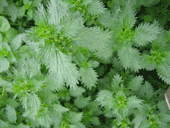
It is a common sight in many countries to see people out in the countryside harvesting fresh greens. These fresh,
tasty greens are often present in Australian gardens where they are simply regarded as nuisance weeds. If you
decide to try this make sure you select plants well away from busy roads and in areas you feel confident have not
been sprayed with herbicides. These so-called weeds are often much higher in vitamins and minerals than common
vegetables such as lettuce or silverbeet.
- NettlesUrtica dioica Use the young leaves for tea, or as a spinach substitute.
- Fat HenChenopodium album
- PurslanePortulaca oleracea Eat this raw or cooked as it is extremely high in omega-3 fatty acids.
- DandelionTaraxacum officinale Don't confuse this with the common Cat's ear. True dandelions only have 1 flower per stalk.
- ChickweedStellaria media This is a very common weed in vegetable gardens and is a good addition to salads. Do not confuse it with the tropical chickweed which has a white sap.
Houses Can Be Organic Too
Act now to prevent the summer invasion of cockroaches, flies, fleas, silverfish and clothes moths!
It is helpful to store food and compost in airtight containers, sweep floors regularly, store rubbish in well-sealed bins, fix leaking taps and use a caulking gun to fill cracks and crevices.
Flies are a warm weather problem and have a nasty habit of spreading germs including
salmonella and gastroenteritis onto food and food preparation surfaces:
- Install flyscreens on all windows and doors
- Keep all food in airtight containers
- Reduce breeding sites by never putting meat scraps into compost heaps and keep garbage bins tightly sealed
- Install an easy way to bury all pet droppings
- Wipe door and window edges with an aromatic oil as a repellent; try citronella, cloves, peppermint or lavender
- Efekto Fly Traps are an excellent choice outdoors on acreage with cattle and horses.

Silverfish can cause significant damage in the home, eating precious books, paper, clothing, cereal and more in their search for carbohydrate and protein. Using Buzz Household Pest Traps is a simple way to control silverfish without pesticides. To silverfish and spiders, the trap looks like a good hiding place and smells like a meal. Place traps in wardrobes, around bookshelves or wherever silverfish have been seen. Replace after 12 weeks or when the trap is full.
If spiders in the house pose a biting risk, this trap provides an effective control for them too. Place traps around the walls and under furniture to catch spiders where they hunt for food.
Choosing Fruit Trees
Planting a long-lived fruit tree is an investment in the future; it will benefit your children and even your grandchildren, sometimes though it can be a waste of money, time and effort. Avoid trees with hard, compressed potting mix that has no give in it, it has been in the pot too long and is packed full of roots. If possible slide the plant partly out of its container, to see if the roots are circling the outside and clearly visible. If so, it is root bound and should be avoided. Cutting of the root-bound roots before planting rarely solves the problem. These are trees that will disappoint you by just sitting there, making little growth.
Grafted trees generally give better quality fruit than seedlings, choose a tree with a well-healed graft union,
with no sign of decay at the graft area. Avoid trees that are sprouting below the graft or suckering from the
roots. Try to buy your trees from a nursery that has a high turnover of stock and that specialises in fruit
trees.Species selection is important, avoid frost tender species if your area regularly receives frost, these include Jakfruit, Abiu, Pummelo, Rambutan (grow in tropics only), Panama Cherry, Lychee, Mangosteen (grow in tropics only), Sapodilla and some Lillypillies. Some fruit trees will survive frost once they are a few years old. These need either luck i.e. a couple of warm winters in a row or good frost protection for those critical early years. Good varieties for South East QLD are listed in brackets, where known. These include Avocado, Custard Apple, Mango, Macadamia, Ice Cream Bean, Carambola '5 Corner Fruit' (Fwang Tung, 11.1, B111, Thai Knient), Tamarind, Bananas and Pawpaws. Fruit trees that generally are hardy and will do well with adequate soil improvement and irrigation include Citrus, Guava, Persimmon (Fuyu), Tropical Apples (Anna, Golden Dorset) and Pears, Nashi Pears, White Sapote (Dade), Longan (only late varieties will set fruit in South East QLD, these include Biew Kiew, Haew, and Chompoo), Acerola, Jaboticaba, Grumichama, Malabar Chestnut, Pecan, Peach, Nectarine, Kiwifruit, Loquat, Blueberry (Gulf Coast) and Passionfruit. Trees that are tough, drought tolerant and frost hardy include Japanese Raisin, Carob, Olive, Stone Pine, Bunya, Strawberry Guava, Mulberry, and Pomegranate.
An extended article on Fruit Trees for Small Gardens is available.
Challenges to growing organic fruit include fruit fly and problems with birds, bats and possums. Unless you are a well-organised gardener, willing to spend a lot of time with control measures for fruit fly, such as trapping, spraying and exclusion avoid planting the following fruit trees: the most fruit fly-prone are Peaches, Nectarines, followed by Guavas, Persimmons, Carambolas, Casimiroas and Mangoes. Fruit fly will also sting Lemonade and Meyer lemons, but leave the thicker-skinned lemons such as Eureka and Lisbon alone.
More information on Organic Citrus Care.
Summer Planting Guide
VegetablesNon-hearting lettuce (oak leaf, salad bowl, cos types) are more heat tolerant than crisphead types (Great Lakes), try putting the lettuce seed in the fridge for a few days before planting; snake beans, French beans (but may be affected by Bean fly), beetroot (pre-soak the seeds) okra, eggplant, capsicum and chillies, cherry tomatoes, all the squash family including gourds, pumpkin, rock melon, watermelon, cucumber, zucchini or angled luffa as a mildew-resistant substitute, sweet corn (remember to plant corn in a block at least 8 plants by 8 plants, corn planted in a long narrow row usually fails to pollinate well, giving half empty cobs); heat-tolerant greens including Ceylon spinach, kangkong, Brazilian spinach, mushroom plant and Egyptian spinach, sweet potatoes. In cooler areas it is time to start sowing winter brassicas.
Shrubs and TreesTropical trees need a high soil temperature to germinate. Plant now: tamarillo, paw paw, pigeon pea, agati, tamarind and passionfruit.
Flowers and Herbs
Aster, basil, borage, catnip, cleome, coriander, cosmos, dahlia, dill, garlic chives, gomphrena, lemon balm, marigolds, Mexican coriander, nasturtiums, phlox, portulaca, salvia, snapdragons, statice, sunflowers. sweet alice, torenia, verbena, zinnia.
Browse the organic seed shop
Gardening In Wet Weather
The persistent high rainfall experienced by gardeners in many parts of the country presents its own set of challenges. Very wet weather in the garden may lead to plants collapsing and dying, failure of seeds to germinate, fungal and bacterial disease and soil losing both structure and fertility. There are strategies which will help you and your garden survive these extremes, including understanding the properties of waterlogged soil and recognising the role of mulch and fungi in building a disease-resistant, biologically active soil.
Understanding waterlogged soil
Keep off the soil, it needs to breathe!
Plants breathe through their roots and their growth is limited by the amount of air that soil holds. Soil air exists in the spaces between soil particles; the very best soils have up to 50% space and will feel spongy to walk on, like an old-growth forest. The arrangement of the soil particles to the soil space defines the soil structure. Improve soil aeration by adding gypsum (2 handfuls per m2), organic matter and mulch. These all work to 'create' space in the soil.
Water sitting around plant roots can quickly cause plant death, even within 24 hours. Plants literally suffocate because when all the space in the soil is filled with water there is no air for the plants to breathe. With trees it may take many months before it is obvious the tree has died due to this waterlogging. Strategies that help water drain away faster include raised beds, mounds or agricultural drains.
What is a biologically active soil?
Soil is alive - or should be. In a healthy organic farm the microbial life including fungi, bacteria and actinomycetes in the top 10 cm of soil, can contain 2 tonnes live weight of microorganisms per hectare. This abundant life is responsible for processing any raw, organic material into humus and releasing nutrients from rock minerals. Fungi and micro-algae help the soil particles to clump together which improves the soil structure and increases the 'space' in the soil.
Plant diseases that are common in stressed, low humus, conventionally farmed soils are often absent in organic soils. Predatory fungi that control disease-causing fungi like phytophthora are vitally important to help keep vulnerable trees such as avocadoes and macadamias alive in very wet weather. The amazing array of living organisms that reside in healthy organic soil are responsible for the 'disease suppression effect' found in organic vineyards, orchards and farms.
To encourage the soil life, we should provide 'bed and board'; food, water, air and somewhere to live. Food for soil life is organic matter and can be provided as: compost, mulch, green manure and organic fertiliser.
Space is where the action isWithout the all-important space there is nowhere for soil life, plant roots, air or water to occupy. Soil without space is compacted and lifeless. Without the 'glue' produced by the micro-organisms, the soil will lose structure and become 'dust', able to be lifted by the wind into a dust storm.
Bacteria are primary decomposers, they have first helping of the compost heap, their large numbers cause the heat that is given off. Fungi are secondary decomposers, they come along after the bacteria and break down the woodier residues. They are a vital part of a healthy soil. This is where you need to bring to mind an image of the rainforest floor and what is covering it: the fallen logs and branches and decaying leaves. It is this carpet of decaying organic matter that provides 'bed and board' to soil life. We can imitate this in our gardens with mulch.
Grow your own mulch
Mulch protects the soil from heavy rain and prevents erosion and compaction; it keeps the soil surface open to allow air to filter in and provides protection and food for micro and macro organisms like earthworms. Choose the type of mulch for the particular area of garden. Under fruit trees is an ideal place for large branches and bark mulches; these will feed the predatory fungi that keep the trees healthy and also provide a habitat for important pest predators like lizards, ground beetles, centipedes and small insect-eating birds. In a vegetable garden straw mulch, a slashed green manure or 'soft' leafy mulches like cut arrowroot are a better choice.
Home
Green Harvest Organic Gardening Supplies is permanently closed as of 5pm on 1-11-2023.
We will not be taking orders by this website, in person, by phone or email. Our display garden and retail shop are closed forever.
Read more...
Phone:07 54357000
Phone calls will only be responded to sporadically and only in reference to orders placed prior to 2-11-2023. All the useful growing and organic pest management research and resources are available on this website for a while still.
No liability will be accepted by Green Harvest, its owners or employees as to the accuracy of any information. No responsibility will be taken for damage to property or persons due to information given about a product or technique. No responsibility will be taken for the loss of a crop or income due to information given about a product or technique.
 Shopping here is private and secure.
Copyright © 2001 - 2024 Green Harvest Organic Gardening Supplies
No part of this website may be reproduced without permission of the owner